The breeze was brisk, and the waves sported whitecaps on Sullivan’s Island and the Isle of Palms on Sunday morning August 27, 1911. But only those aware of the past were worried; it being the 18th anniversary of the 1893 hurricane that ravaged the city.
During that prior storm, the High Battery had been destroyed, and more than 1,000 people in the sea islands had drowned, bringing Red Cross founder Clara Barton to the Lowcountry.
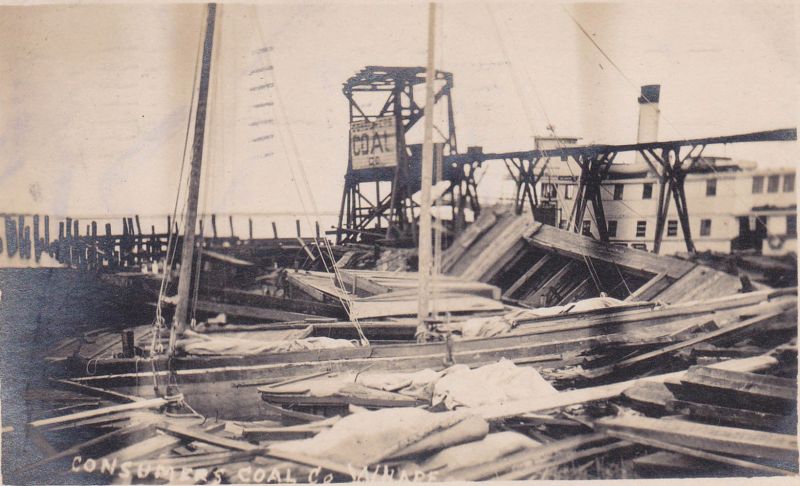
In 1911, the storm (hurricanes were not named then) was tracking directly from the east, with no warnings from other coastal cities. When the red-and-black hurricane flag finally went up, pleasure-seekers and tourists scurried back to town, filling up hotels. By 6 p.m., the water in the harbor was too rough for the ferry to transport the 350 or so people now stranded on the barrier islands.
A few hours later, the lights went out in Charleston. With the weather bureau's wind gauge out of commission, the exact strength of the winds are unknown, but estimates put gusts at more than 100 miles per hour. It was 36 hours before wind speeds decreased enough for people to feel safe on the streets. By then, the death toll had mounted to 17.
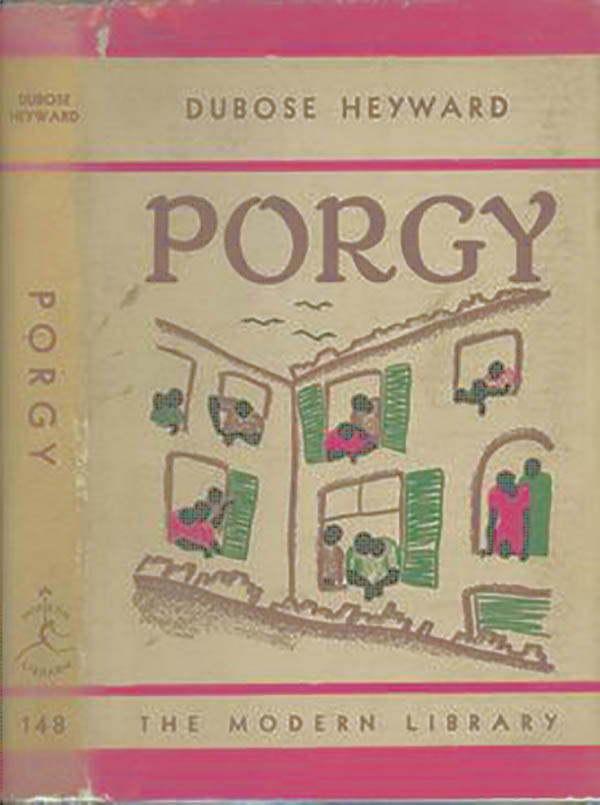
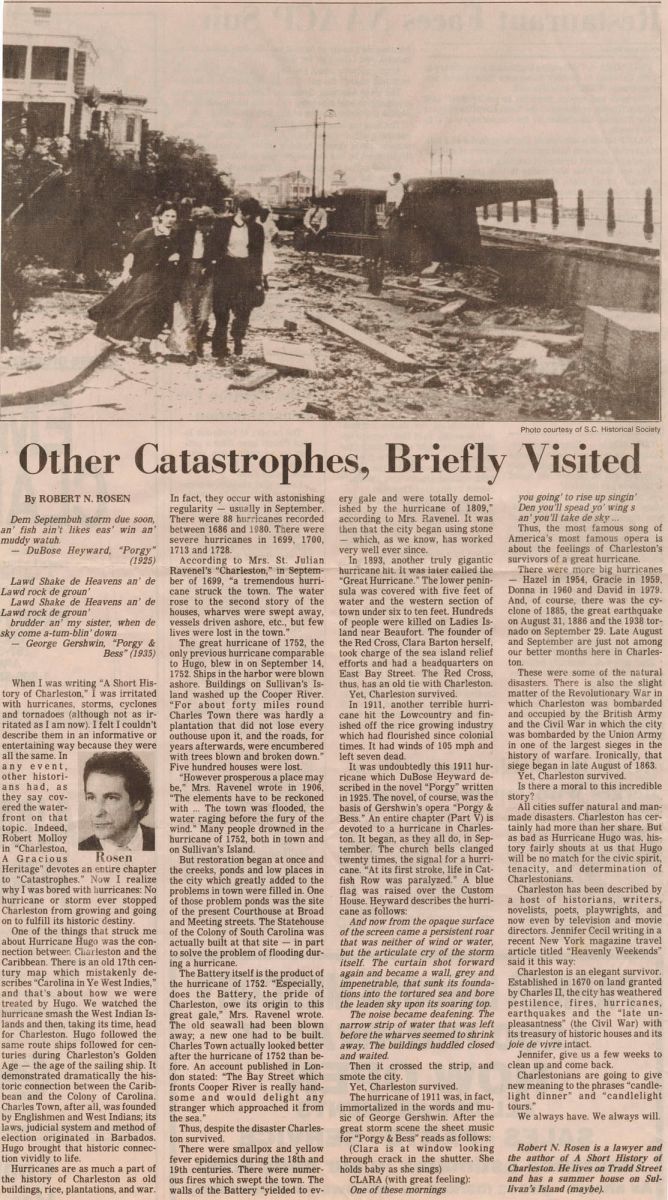
St. Michael’s bells rang wildly during the storm, which might have been the death knell for the rice industry, delivering a blow to the infrastructure that had been sustained for over 200 years. “There was something utterly terrifying about the studied manner in which the hurricane proceeded about its business,” wrote DuBose Heyward in his 1925 novel, Porgy.
Though the rice industry was ruined, within a few years, the Charleston Renaissance, through Heyward and others, would launch a tourist boom that helped revive the devastated economy. Heyward’s wife, Dorothy, used her husband’s memories to create the dramatic hurricane scene in her play Porgy and the opera Porgy and Bess. Though 1989’s Hurricane Hugo later earned the title of Charleston’s “Storm of the 20th Century,” the effects of the 1911 hurricane might be called more long lasting—operatically, at least. Its power has been revived on stages around the world again and again, through the melding of the Heywards’s drama and George Gershwin’s music—a perfect storm of memory and artistic mastery.