Learn how the nonprofit is expanding to offer more people transitional housing
From its historic location on Meeting Street, Star Gospel Mission’s modest storefront belies its outsized impact on the lives of many Charlestonians. But that’s about to change.
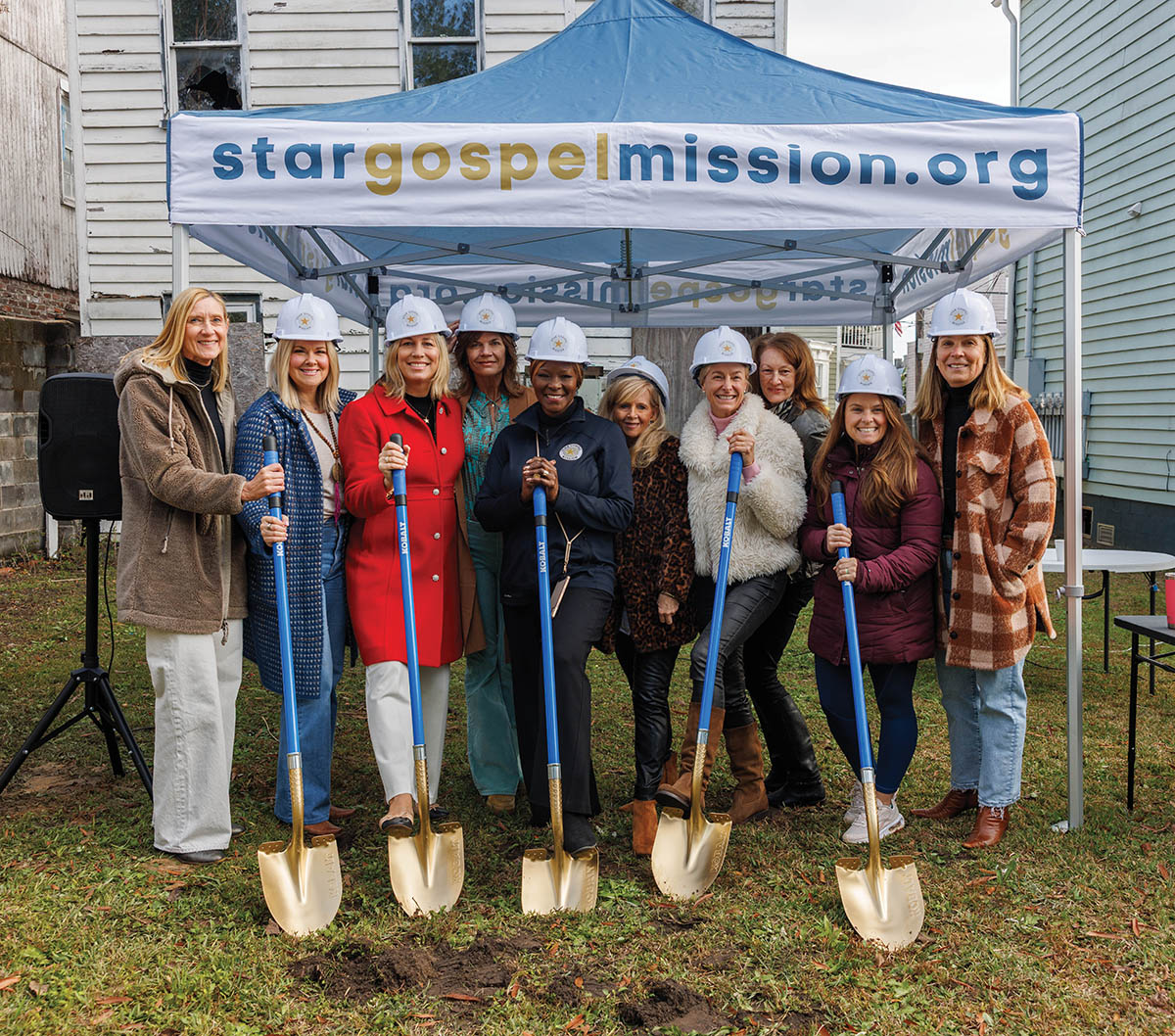
The nondenominational Christian mission has been a lifeline for many of those experiencing homelessness in the tri-county area. Founded in 1904 to shelter men and boys, the mission moved to its current location in 1918. Now, the transitional housing charity is in the middle of a $20 million capital campaign that will more than double its capacity to house 140 men, women, and children.
Unlike an emergency shelter that offers a break from the streets, transitional housing provides long-term stays while residents address the issues that contributed to them being unhoused. “If emergency shelter prevents people from drowning, then transitional housing helps them get across the river,” says the mission’s executive director, Marion Platt, “Pastor Marion” to staff and residents alike. To that end, Star Gospel is more than a place to stay; rather it’s a web of resources, including mental-health support, help with family reconciliation, and an in-house 12-step recovery program. “When someone comes into our program, and they say, ‘I need help,’ we enter into community with them,” says Platt, the mission’s sixth leader in its 121-year history. “We walk with them.”
Guests, as they’re called, are welcome to stay up to two years, but they must be willing to do their part, says Jerol Graves, the men’s program manager. “There’s a lot of skin in the game. There are going to be duties that are assigned to every bed. We’re going to require them to find employment with a supervisor, someone we can reach out to.”
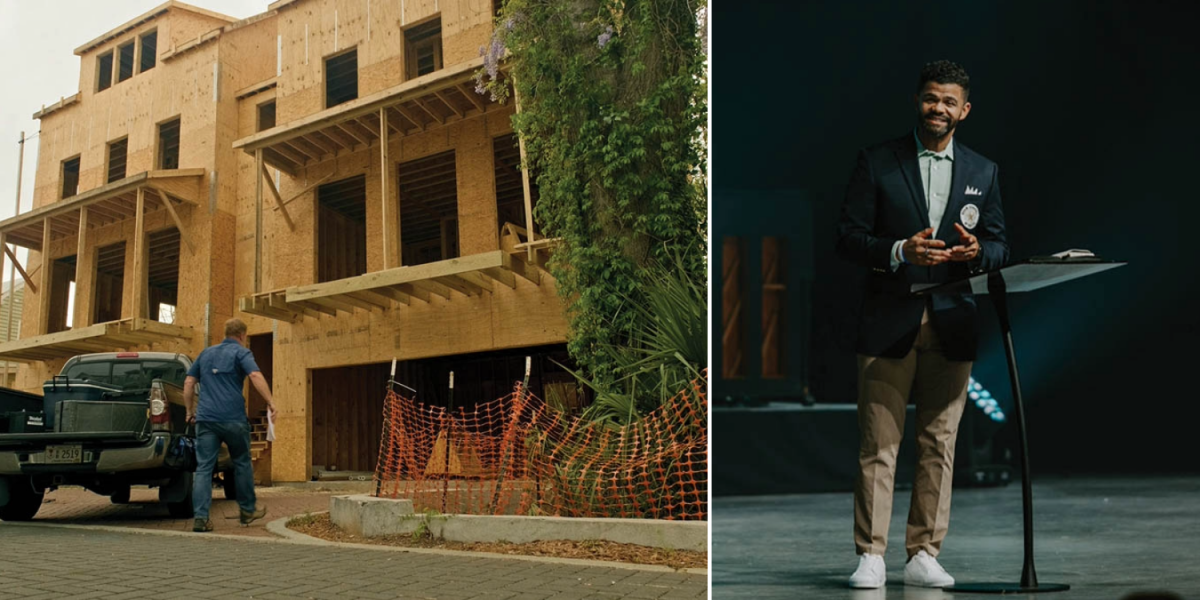
The women’s program is similar, but female residents with young children aren’t required to work. Part of the capital campaign is focused on building a pair of Charleston single houses and renovating two more for a total of 18 living spaces. The funds will enable the mission to build a large commercial building that will house its men’s program, administrative offices, classrooms, and a commercial kitchen.
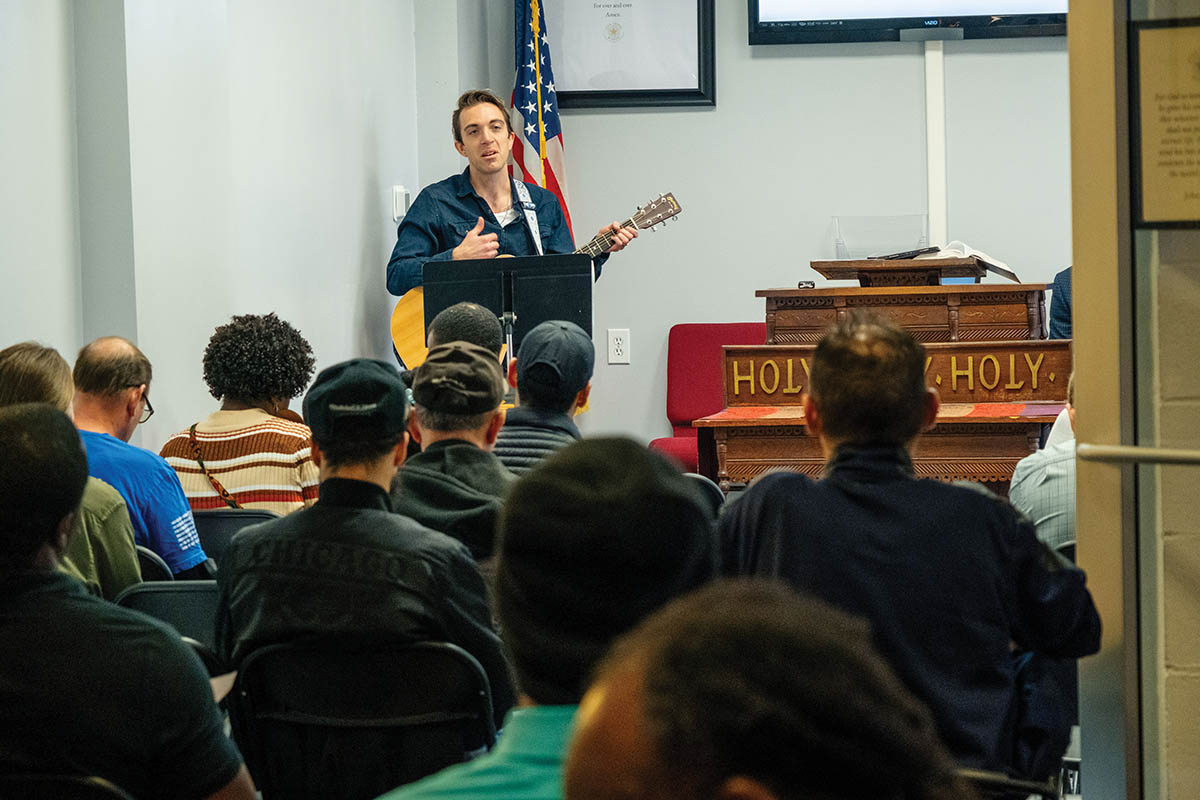
Meanwhile, the staff of 18—up from two when Platt took the helm five years ago—supports residents with weekly life-enrichment courses. For Platt, the high point of the week is Sunday chapel, which often draws former residents. “A lot of the folks who found stability here have said, ‘This is my church,’” he says.
Though the mission isn’t associated with any denomination, Christianity is the foundation of its work. “We enter into a relationship that’s really guided by the values of the kingdom of God, and I don’t mean in some kind of forced rhythm, but with lots of grace,” Platt explains. Though there are deal-breakers, such as fighting, fentanyl, and meth, a relapse isn’t one. “Jerol will say, ‘Come sit with me, and let’s talk about what triggered your relapse today; what can we do to give you the kind of support that you need.’”
Platt has felt this grace firsthand. As a child growing up with his grandparents in downtown Charleston, he learned that his father was homeless and struggling with heroin addiction. “Every now and then I would see him, you know, and he’d kind of ask for money,” he says. But there were other times that he encountered a different version of his dad. “I would show up at the Piggly Wiggly, and I’m like 13, 14, 15 years old. I would see my dad, and he looked healthy and well. And those moments of sobriety? It was because he was staying at Star Gospel Mission.”
Platt says his personal connection feeds his passion for working with families. “When guys come to Star Gospel Mission, and they say things like, ‘I have a 13-year-old daughter, and one of my goals while I’m here is to reinitiate contact with her.’ That day he comes back from having spent three days with his daughter full of life and excited, those are the moments that keep me going.”