Exploring the New Deal's Historic Signing in Charleston
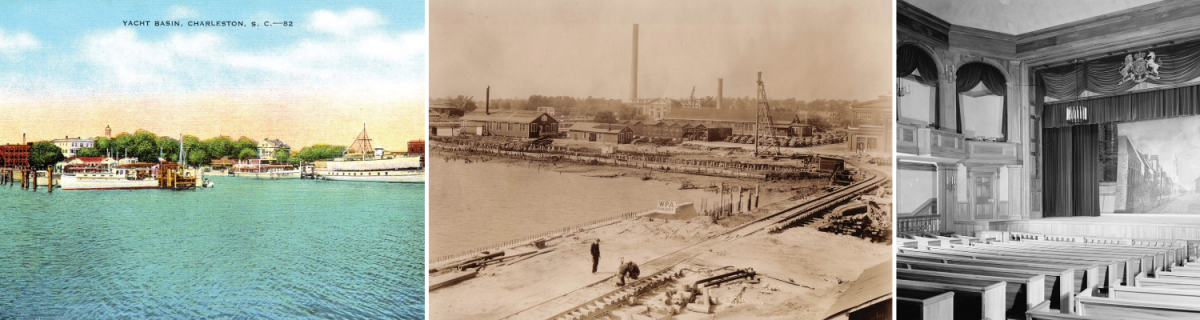
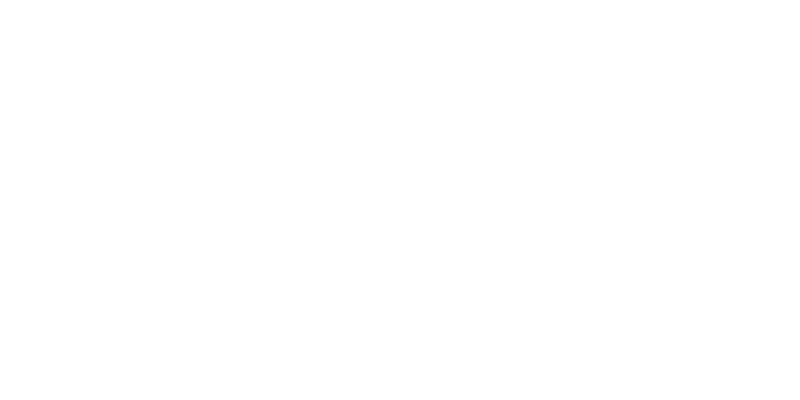
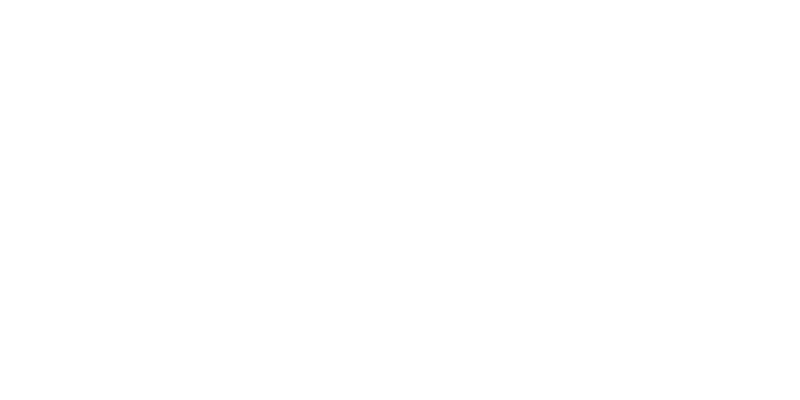
It’s well known what the Works Progress Administration (WPA) and other New Deal programs did for Charleston. The federally funded projects employed countless locals and others during the Great Depression to recreate the Dock Street Theatre, build barracks and a chapel at The Citadel, construct a gymnasium at the College of Charleston, create the Municipal Yacht Basin on what is now Lockwood Boulevard, erect the Robert Mills Manor housing complex, and fund various improvements at the Navy Yard, while also aiding artists, authors, and others who needed relief.
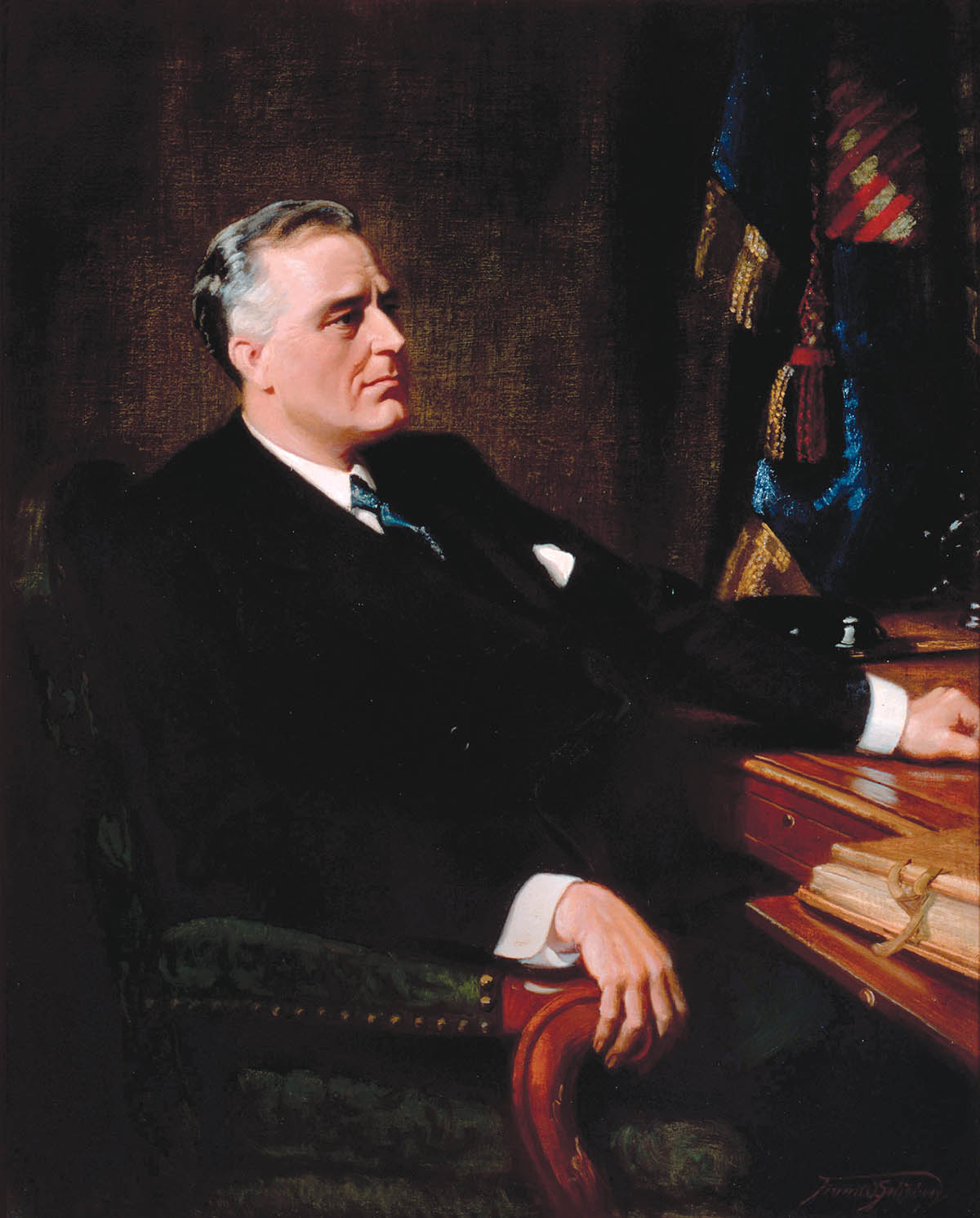
President Franklin D. Roosevelt and his wife, Eleanor, often visited Charleston in these years, and were warmly welcomed by Mayor Burnet R. Maybank, an avid supporter of the New Deal who went on to become governor and senator.
Many locals, however, were not supporters. They harkened back to the Civil War, fearing federal government intervention, its creation of a minimum wage, protection of workers who wanted to unionize, and dismantling of paternalistic race relations. William Watts Ball, editor of The News and Courier, was one of the most outspoken critics, slamming both Roosevelt and the New Deal. “I love liberty,” he wrote, but “I hate equality.”
What must have smarted the most was that Charleston was the site where the enabling legislation became law, a fact seemingly lost to history. On April 8, 1935, just as the city was preparing to mark the April 12 anniversary of the start of the Civil War at Fort Sumter, the federal government once again seemingly invaded and won. President Roosevelt, who was fishing in Florida, was sent the nearly $5 billion legislation to launch the WPA that Congress had just passed. He read it as he was traveling north and signed it as his train pulled into Charleston’s Union Station, formerly on Columbus Street.
The bill was now the law of the land, and Charleston, along with the rest of the country, would be changed by it. “Historical Charleston will go down in history as the spot where the greatest appropriation bill [to date] was signed,” the out-of-town press declared.