Look for Quest to host a Sound of Mind music festival and fundraiser this spring
In 2022, nearly 50,000 Americans died by suicide and another 100,000-plus died from drug overdoses. “That’s roughly the population of Charleston,” observes Quest founder Luke Shirley, who launched the nonprofit that same year with an eye toward strengthening the mental fitness of young adults through a peer-supported community focused on college campuses. “Beneath that mission is a hope to keep more young people from losing their lives to suicide or substance abuse, which is a sort of slow suicide,” says the 30-year-old executive director.
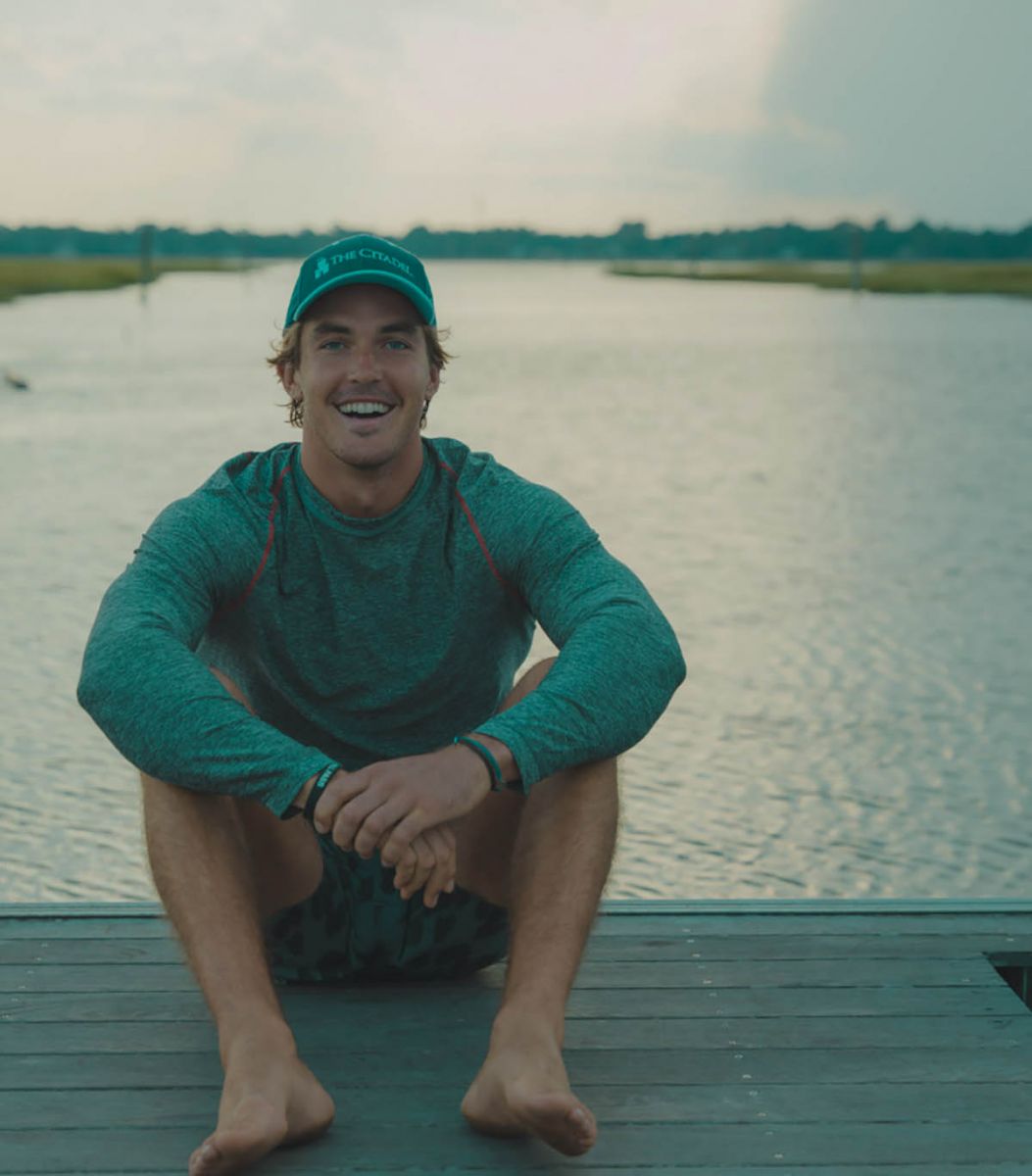
Shirley has traversed family addiction, depression, alcohol abuse, and suicidal ideation. He witnessed a childhood friend grieve over the death of an older brother, a 21-year-old Citadel cadet who took his own life. “College was that dark time for me,” adds the 2018 College of Charleston grad, who struggled during his sophomore year without healthy peer support. “Early adulthood can be one of the most difficult times in a person’s life, when lots of critical changes happen,” he says. “There’s school pressure, peer pressure, life and identity pressure. Throw on top of all that the influences of substances, and it’s easy, maybe even normal, to ‘lose yourself.’”
Later, as a small business owner, Shirley watched his young employees, many students from his alma mater, wrestle with the same demons. When a friend’s partner died from an overdose at 29 just one week after Shirley helped host a recovery awareness tennis tournament, this keen observer began digging into a solution.
Recognizing that people in this age group must often fend for themselves when it comes to mental health, Shirley set out to create for young adults what he didn’t have—an organized peer group where students could feel safe, seen, and supported. “We want to make mental health approachable, fun, engaging, and creative,” he says. “At the same time, we’re challenging students to take radical responsibility for their mental health and wellness.”
Three years in, Quest operates peer-led support groups at CofC and The Citadel. Club members circle up for weekly on-campus peer-support meetings, during which student leaders ask questions to encourage participants to share whatever is top of mind and get them to think about how to reframe that energy into something positive.
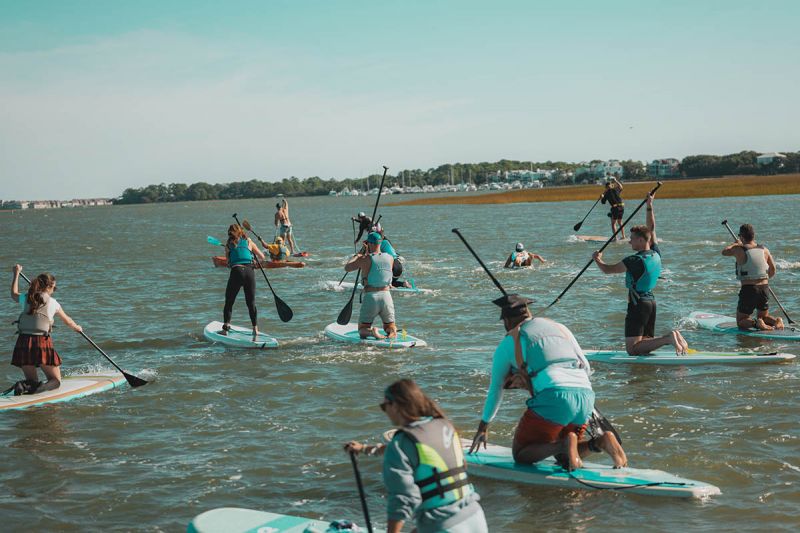
Quest also organizes events like yoga and CrossFit classes, paddleboarding sessions, and writing and financial wellness workshops. These opportunities offer a chance for young people to connect with each other, community mentors, and clinical professionals while raising awareness about the mental health struggles facing this population.
While events are free, donations are welcome and help fund Quest’s annual budget of about $120,000, along with grants and money raised during the nonprofit’s biannual campaigns (Bridge the Gap Walk in May and Row for Recovery in September). This year, the director hopes to see that number reach $200,000, so the organization can hire marketing help to expand its reach.
This spring, Quest plans to bring back its Sound of Mind music festival and fundraiser. At last year’s debut event, five bands, spoken word artists, and student emcees took to The Refinery stage to deliver a powerful message of hope to more than 700 attendees. (Stay tuned for details on the 2026 event @questinrecovery.)
Shirley also appreciates the quieter moments of encouragement he’s witnessed. He recalls a Citadel cadet who had just been released from MUSC’s inpatient psychiatry program and attended a group paddleboarding session with a peer support buddy and Quest student board member. “She provided so much compassion and care in showing up for him. Who knows? She could be the person who helps him through an incredibly difficult time. Given the opportunity, young people do really care about this and each other.”