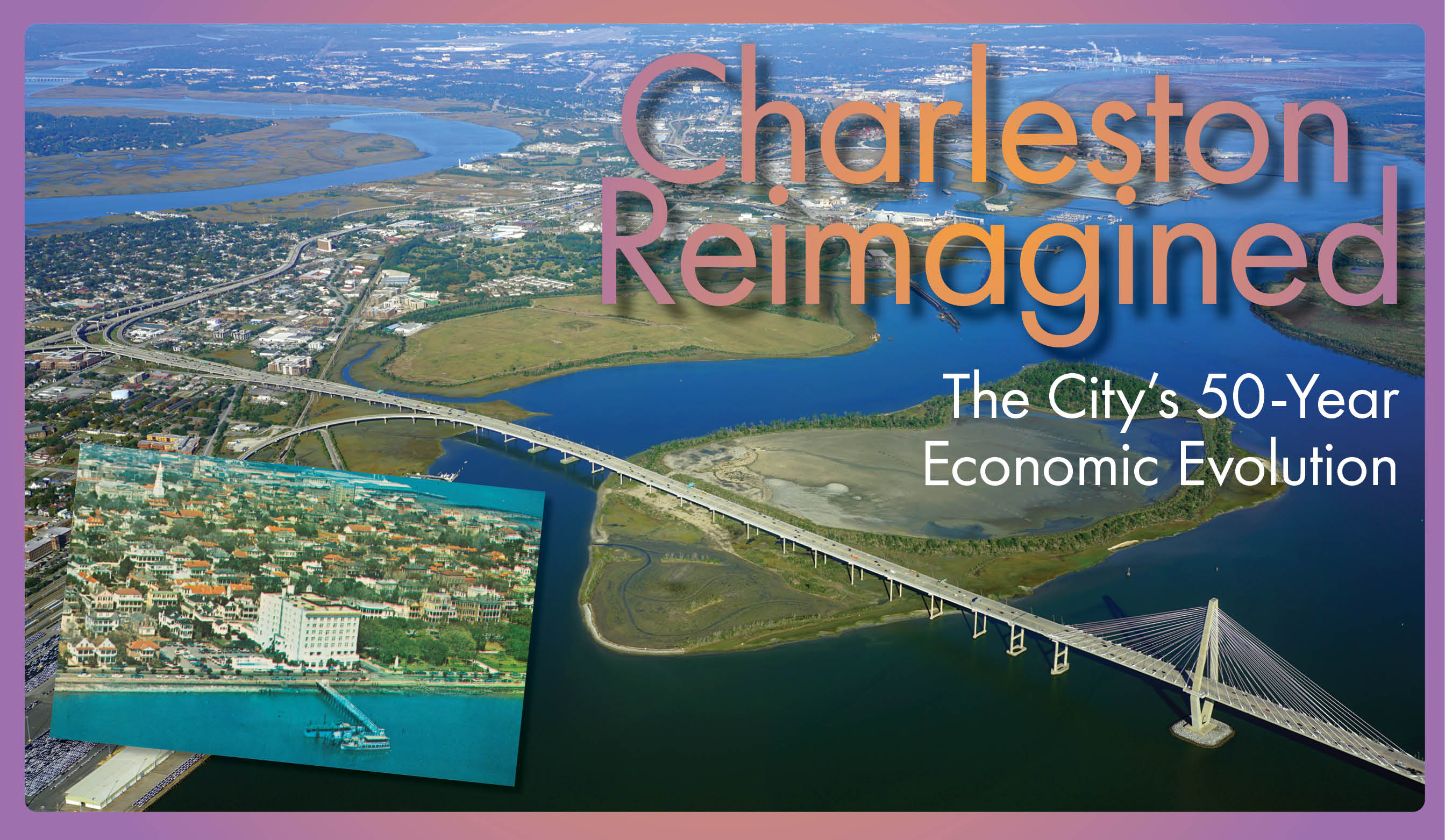
The City's 50-Year Economic Evolution
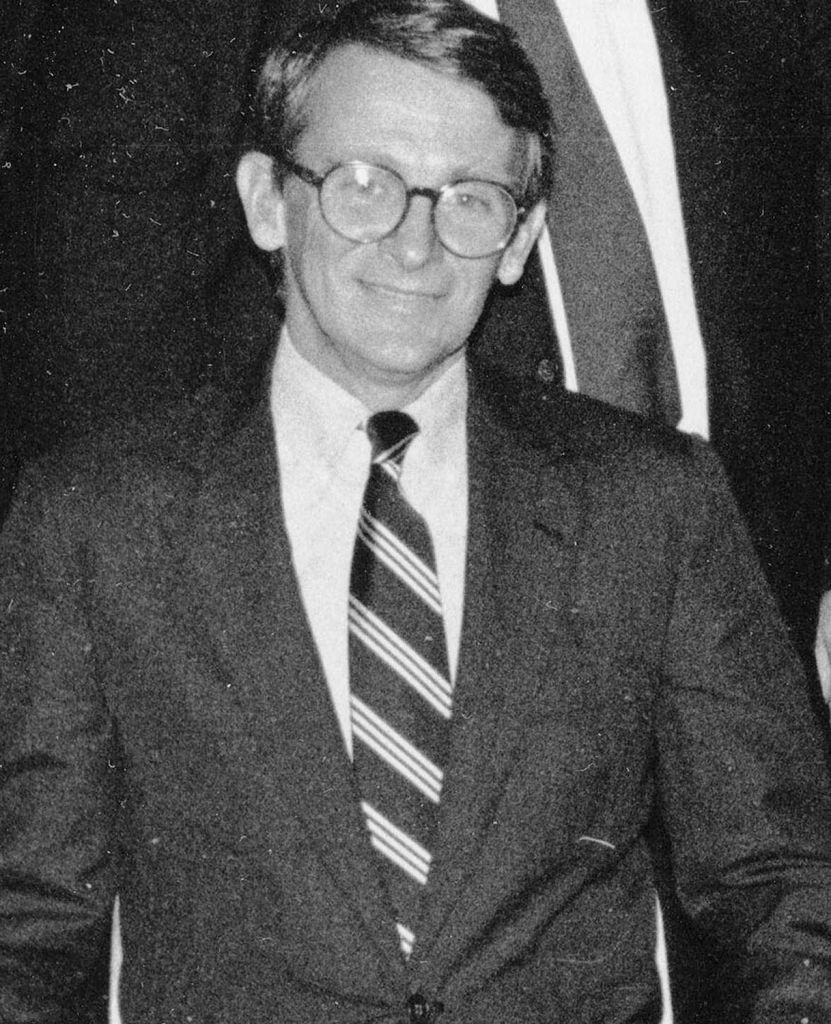
In 1977, Michael Bennett was working his way through the College of Charleston as a carpenter’s assistant, helping to renovate buildings the school had acquired nearby. The buildings were cheap and the renovations extensive. He was a gofer, mostly, but learned to demo, hammer studs, and hang drywall. “That was my real education at the College of Charleston,” he says.
Bennett also moonlighted as a bellhop, helped his father raise sunken boats in Charleston Harbor, and worked on a cruise ship. During a trip through New England, he saw folks renting bicycles to tourists and brought the idea home. After leasing a vacant lot near the City Market for $100 a month, he started hawking bikes and mopeds. With the profits, Bennett bought a rundown house for $20,000, converted it into apartments, and bought another. Soon “we were doing a building a month,” Bennett says. “Everything was cheap. Everything needed renovation.”
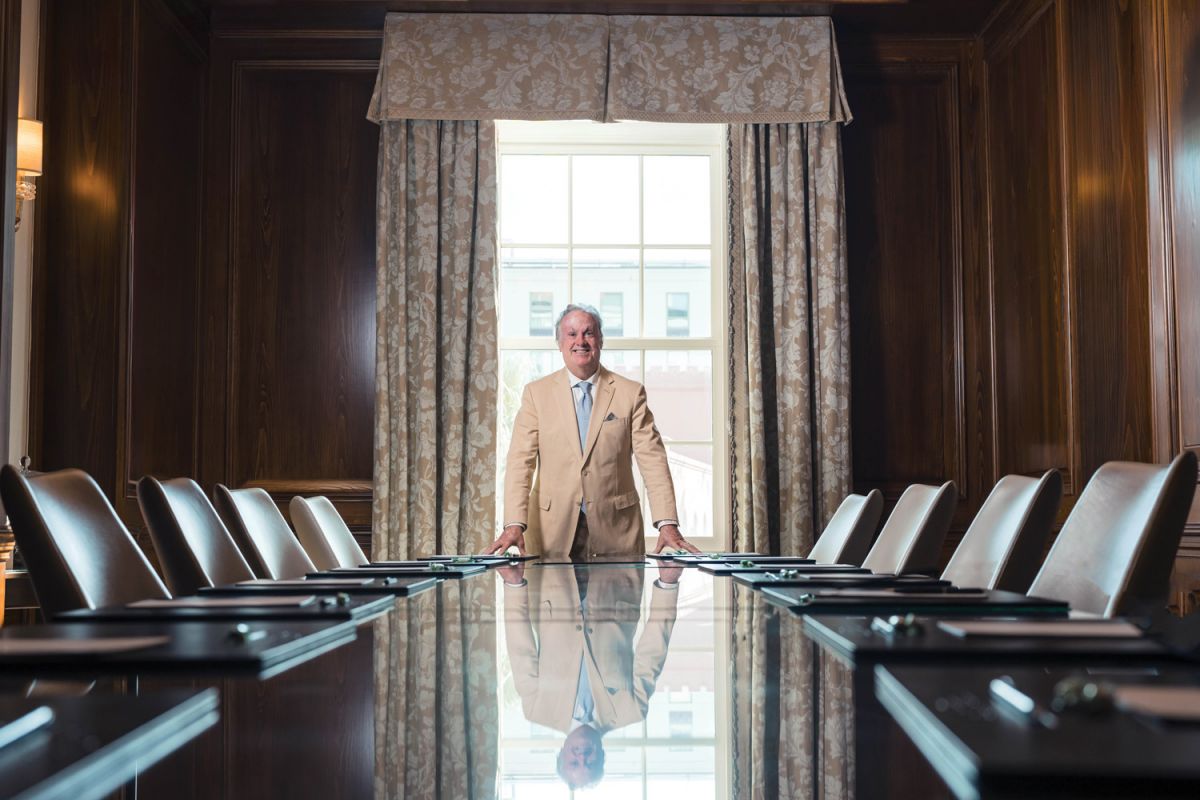
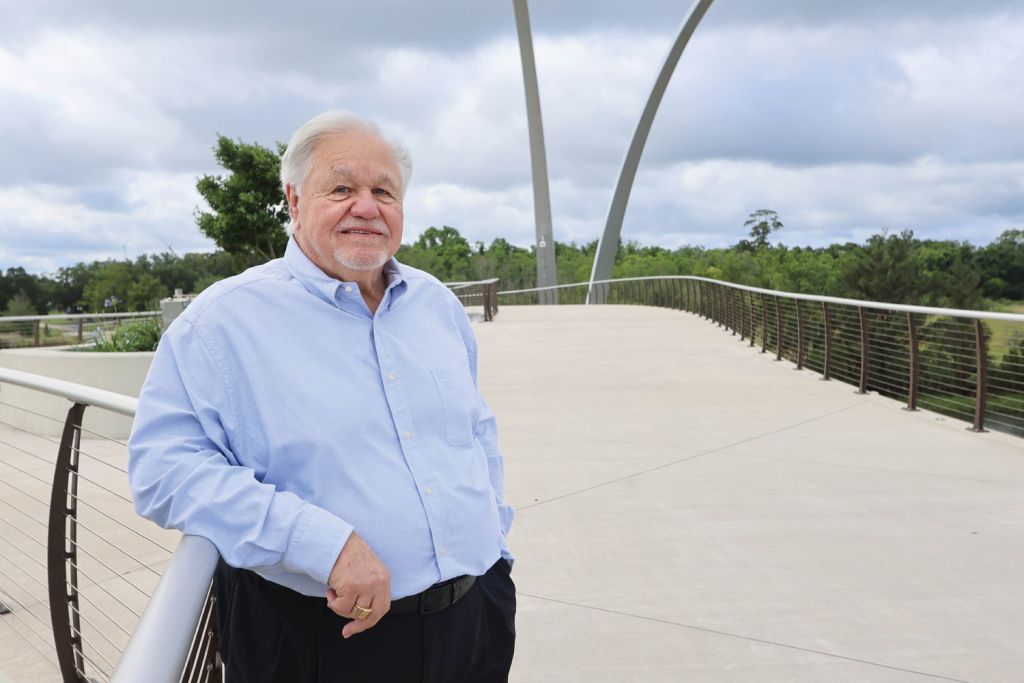
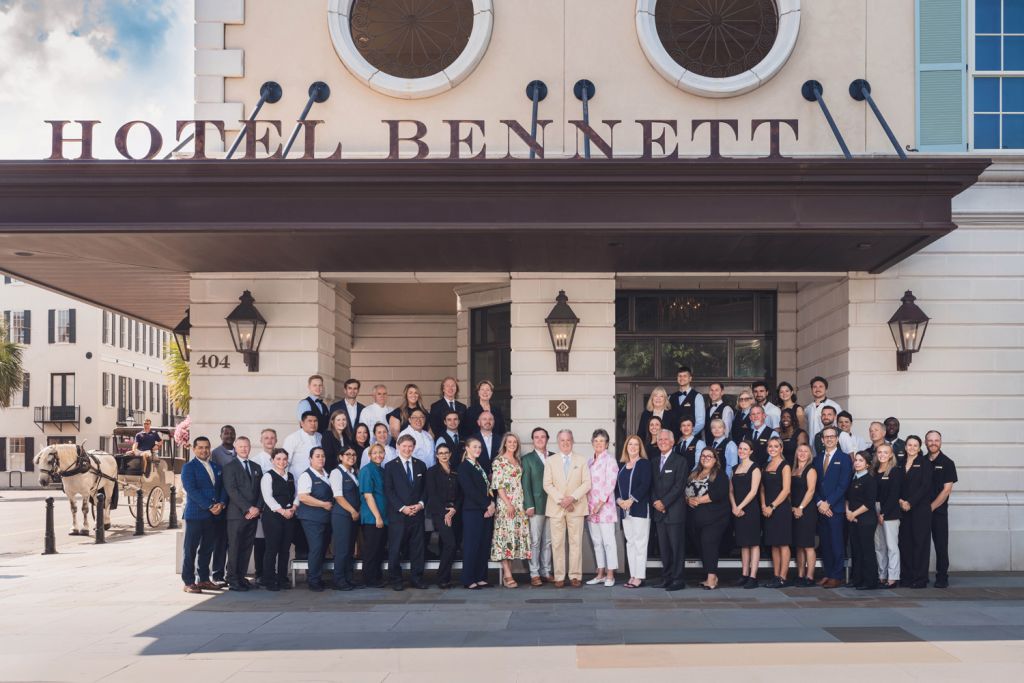
Today, he owns the Bennett Hotel, among many other properties. It’s a showplace on Marion Square, across the street from where his father, “Red,” once shined shoes. Bennett’s success reflects that of the city itself. In the past 50 years, Charleston has risen from a sleepy Southern port town, stuck in the past and slouching toward shabby, to a world-class tourist destination, cultural touchstone, and, together with its Lowcountry neighbors, a manufacturing powerhouse. “No one could have anticipated this,” Bennett says. “We’ve become international.”

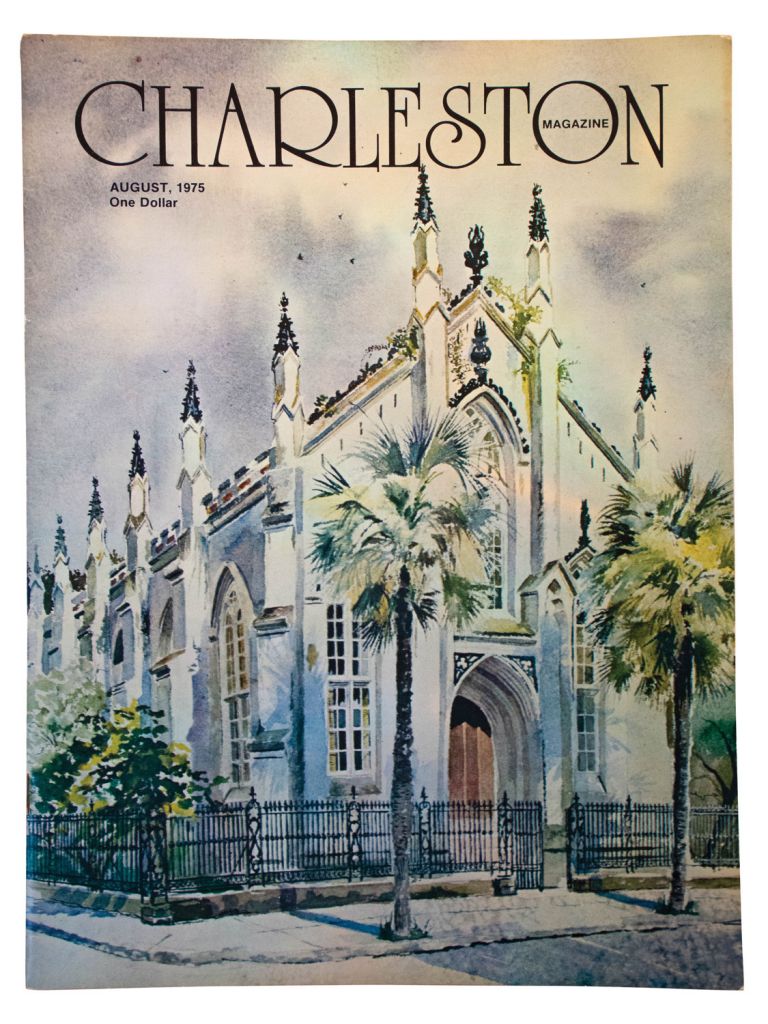
In 1975, the year this magazine was founded, Charleston was a much different place. The trappings of historical wealth were still apparent in the antebellum mansions south of Broad, but the facade was thin. Downtown had fallen into disrepair, and the majority of the economy was driven by the huge Navy base and shipyard in North Charleston. Tourism was only a regional draw, drive-ins mostly, from North Carolina and Georgia. What industry that existed was mostly dirty. Terminals and shipyards blocked public access to the waterfront.
Back then, Charleston had a population of only 67,000 people; the newly incorporated City of North Charleston just over 21,000. The City of Charleston covered a mere 38 square miles, less than a quarter of what it is today. A lot on Isle of Palms could be had for less than $10,000. Life was slow, and people liked it that way. “It was a pretty sleepy town back then,” says College of Charleston economist Frank Hefner. “But South Carolina was pretty sleepy.”
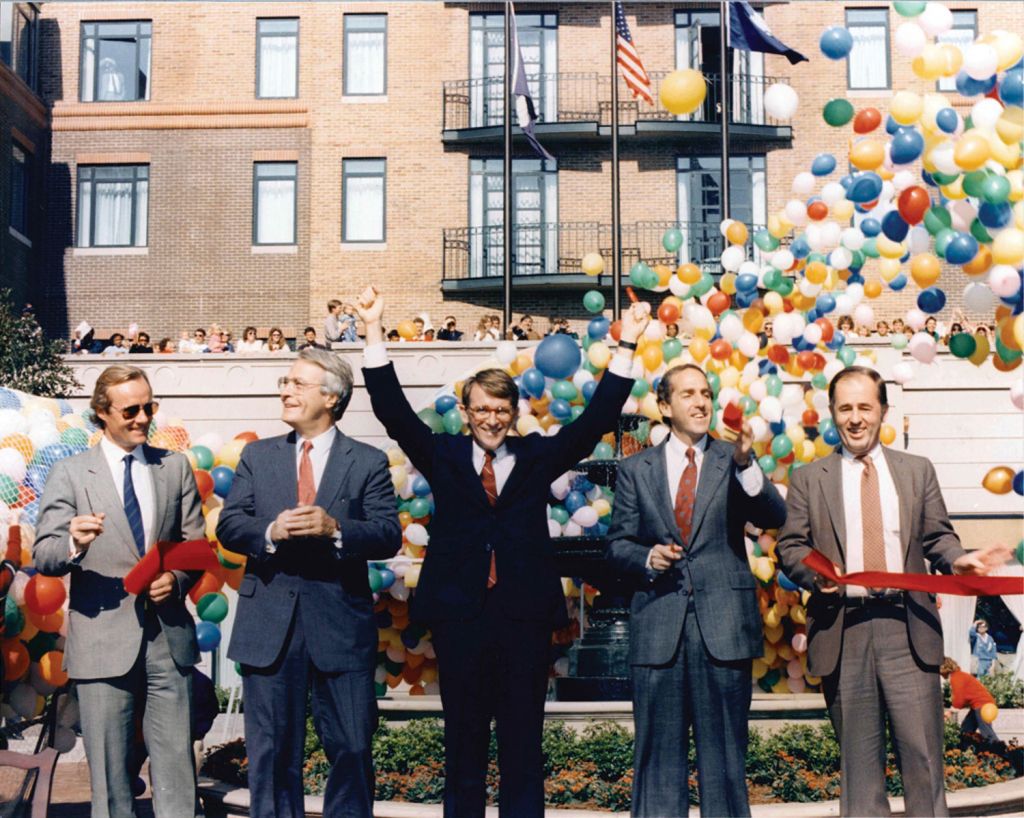
As Bennett was renovating his first house, another Irish Charlestonian, Mayor Joseph P. Riley Jr., was settling into City Hall. After spending six years in the South Carolina House of Representatives fighting for reform, Riley had set his sights on a more localized vision—revitalizing Charleston’s downtown. He reached out to Black residents, empowering in-town neighborhoods. He coaxed the Spoleto Festival into existence, building on the city’s cultural heritage. He orchestrated the development of Charleston Place, adding luxury accommodations and shopping to struggling King Street. And he cultivated the new eight-acre Waterfront Park along Concord Street, extending public access to the harbor beyond the Battery and welcoming visitors with a distinctive pineapple fountain. It was Riley’s determination and seemingly boundless energy that kick-started downtown Charleston’s resurgence. “The fire was lit by Joe Riley,” Bennett says.






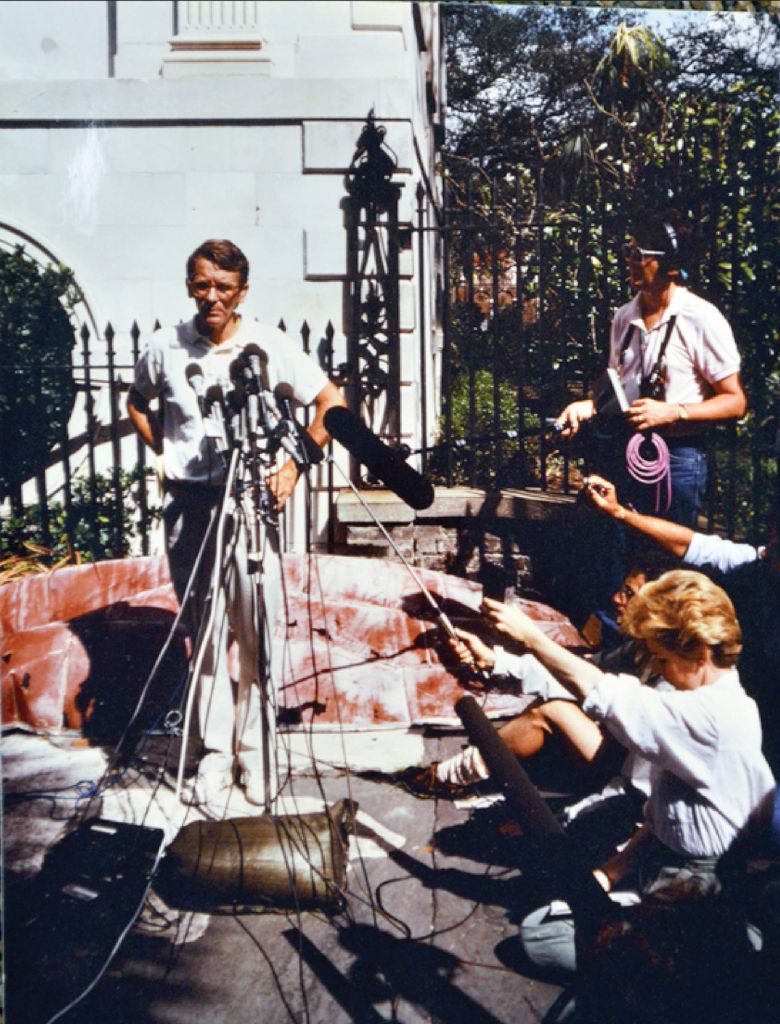
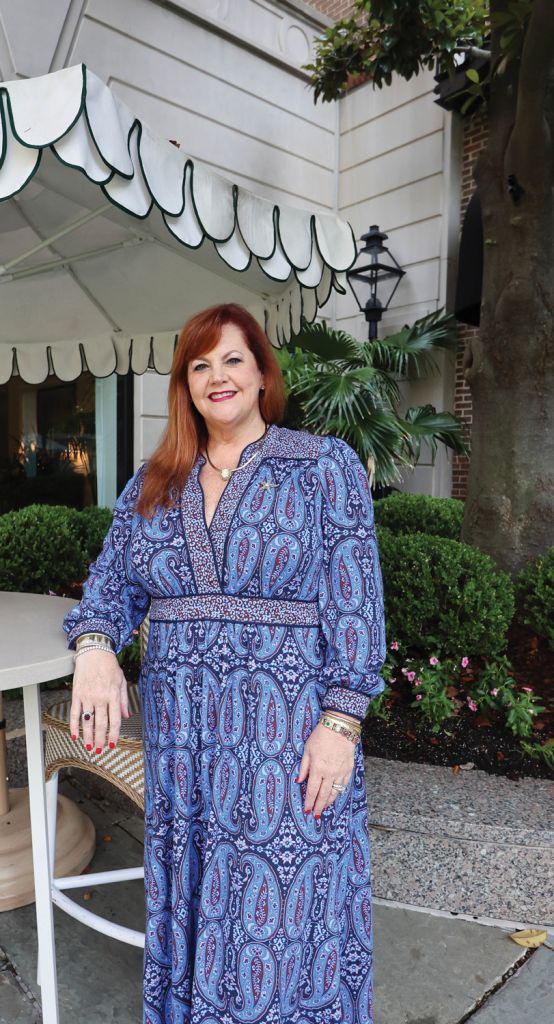
The storm began as a cluster of thunderstorms over West Africa, strengthened to a Category 5 hurricane over the Atlantic, and on September 21, 1989, slammed into South Carolina with unprecedented fury. Hurricane Hugo was 250 miles across—as big as the entire state—and devastated the Lowcountry with 138 mph winds and unmatched storm surge. Charleston, its beach communities, and much of the Lowcountry were crushed. But the old adage “it’s an ill wind that blows no good” proved true. Insurance money began flowing in, allowing owners to upgrade their properties and unexpectedly accelerating Riley’s vision. “People had the money to do what they always wanted,” says Explore Charleston president and CEO Helen Hill, who has guided the city’s tourism push since 1989.
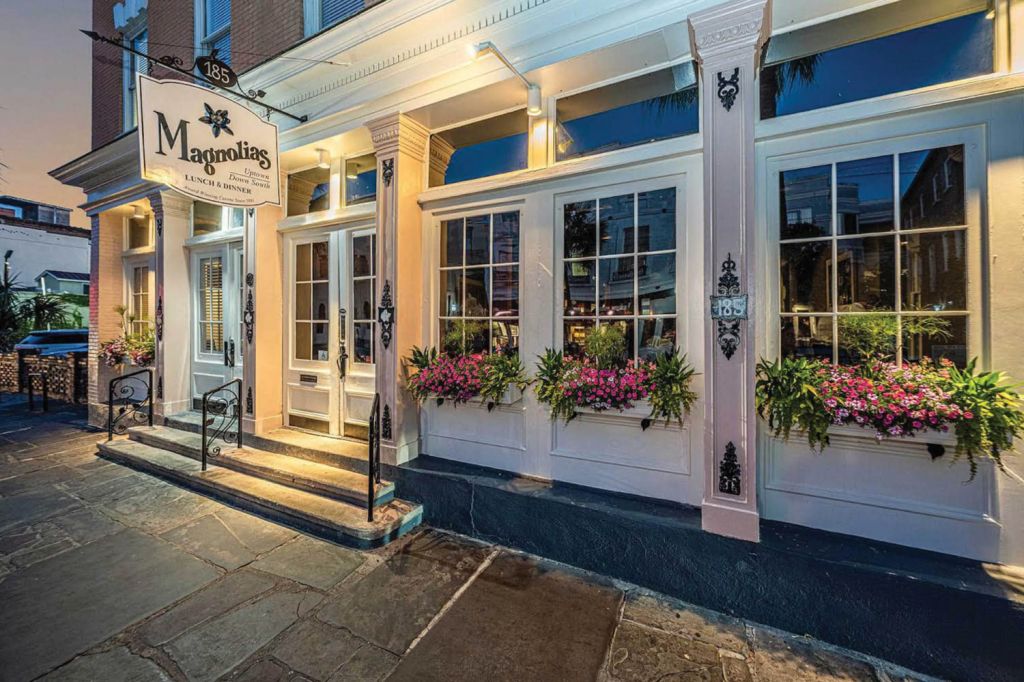
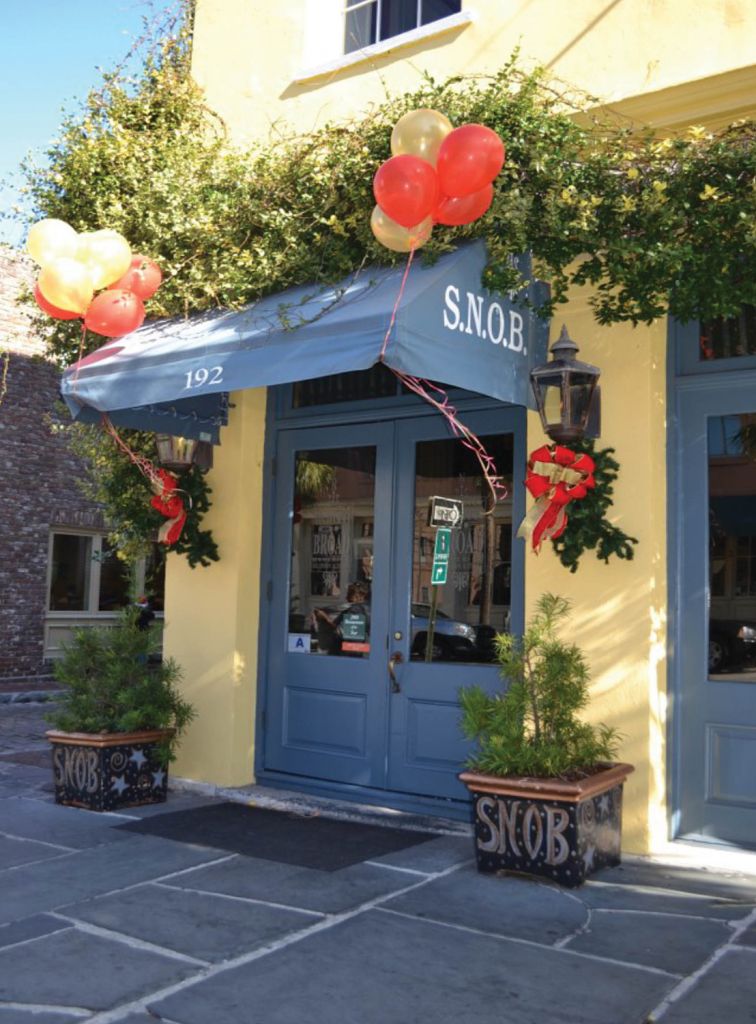
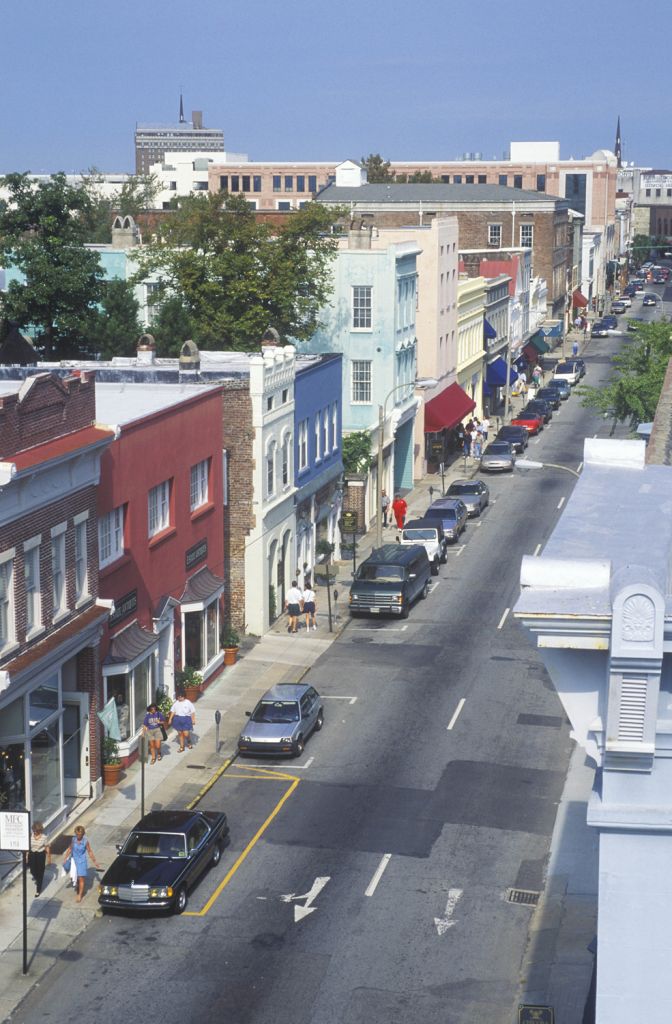
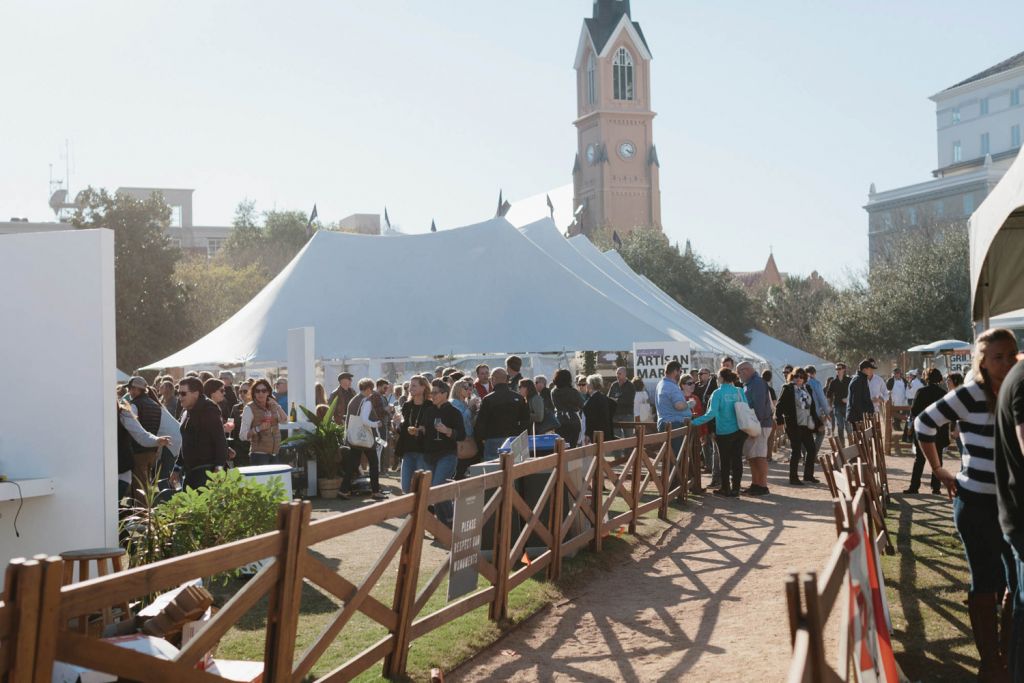
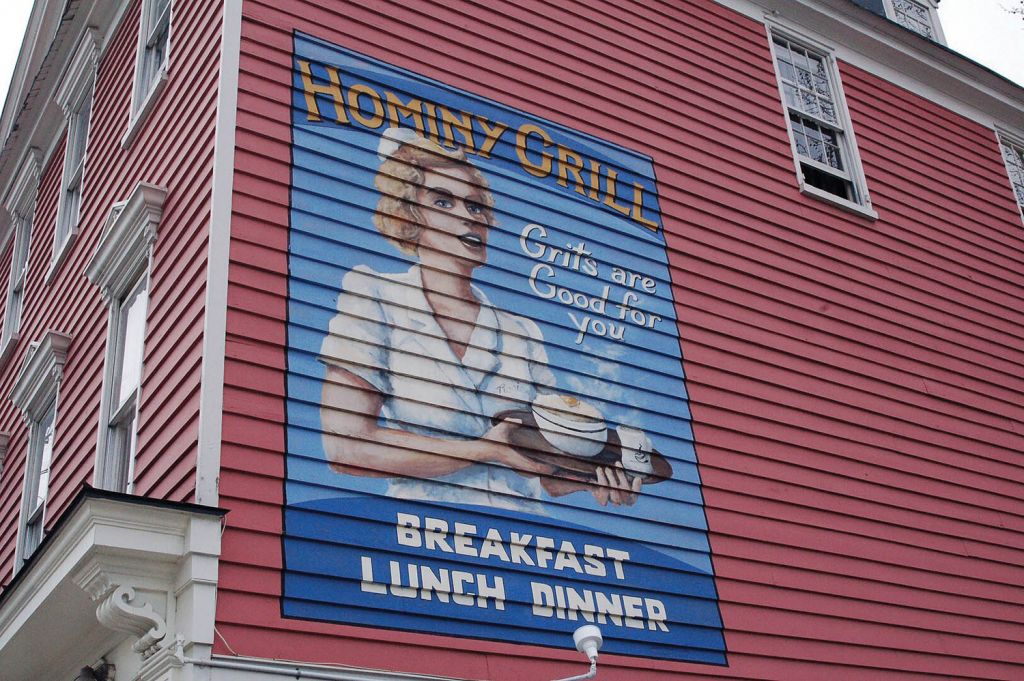
Homes, including the mansions south of Broad Street and residences throughout downtown, began to be spruced up, putting a polish on the city’s colonial charm. Shops began popping up in renovated buildings on lower King Street, building on the Charleston Place development. East Bay Street, renewed by the new Waterfront Park, saw the birth of signature restaurants like Magnolias and Slightly North of Broad. Innovative chefs refined the West African traditions of the Gullah Geechee culture to offer a unique Lowcountry cuisine that attracted foodies like flies to buttermilk. And Spoleto brought Charleston international recognition as a center for the performing arts.
By 1993, news stories about the resurgence spurred national interest in the old port town. Readers of influential magazine Condé Nast Traveler named Charleston one of the best small cities in America. The elevated lodging, shopping, and dining experiences, coupled with national media acclaim, expanded Charleston’s draw beyond a Disney-esque vision of the Old South. “Before then it was all moonlight and magnolias,” Hill says. The new level of sophistication “changed who we could sell to.”


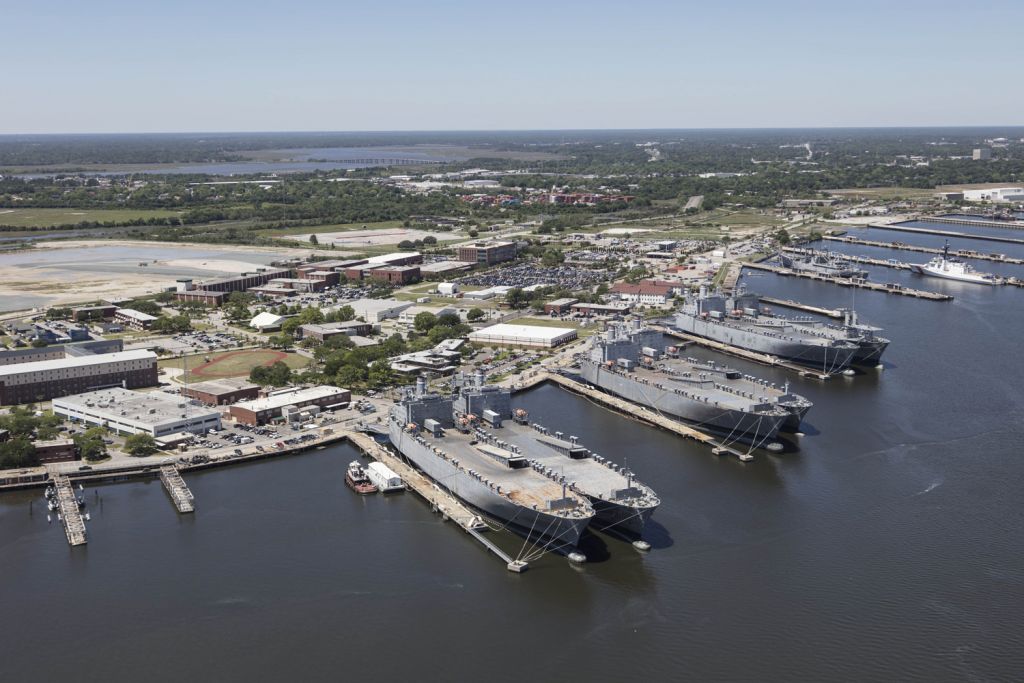
Then, a disaster of another sort struck the city: “BRAC,” short for the 1993 US military’s Base Realignment and Closure Commission report. Birthed by the Clinton administration and executed by the Pentagon, the report landed unexpectedly hard on the Holy City. The Charleston Naval Base and Shipyard in North Charleston—a fixture since before World War I and the area’s largest employer—was targeted for closure. In 1996, the base was shuttered, and 22,000 jobs (15,000 active duty and 7,000 civilian) disappeared. “We thought we might lose either the naval base or the shipyard, but not both,” says Mary Graham, the area’s point person for military support for decades. “But it was all the ships, all the submarines, the hospital—everyone was in shock.”
The closure took the state’s Congressional delegation, led by powerful senators Fritz Hollings and Strom Thurmond, by surprise. Scrambling, the lawmakers began cobbling together new missions and expanding existing ones. A subsequent BRAC in 2005 resulted in Joint Base Charleston, which melded the Naval Weapons Station, the former Charleston Air Force Base, and SPAWAR, the military’s East Coast information warfare center. The area began to claw back the lost military jobs.
The base closing also forced regional leaders to come together to develop a strategy. Before then, dealings between counties or municipalities was often downright hostile. “It was the first time we met when there wasn’t a weapons check at the front door,” jokes former North Charleston Mayor Keith Summey, who was Charleston County Council chairman at the time. “The mentality couldn’t be described as united,” adds Steve Dykes, Charleston County’s retired economic development director and chief jobs recruiter for 30 years. “But sometimes crisis is a good convener.”
The three metro counties—Charleston, Dorchester, and Berkeley—formed the Charleston Regional Development Alliance in 1995 to boost existing companies such as auto parts supplier Bosch and cloud computing firm Blackbaud, both in North Charleston, and recruit new ones like steel fabricator Nucor, in Berkeley County. The goal was diversification. “We were lazy before then,” Summey says. Together, Hurricane Hugo and BRAC forced the city and the region to build a new economy for a new century. “They were blessings in disguise,” says Hefner.




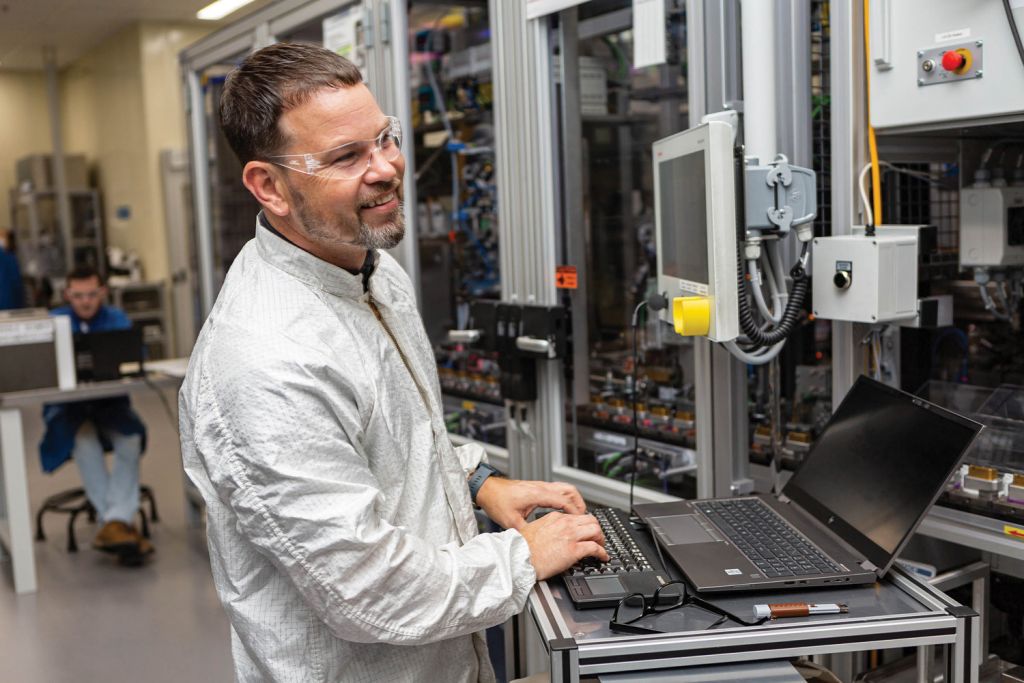
That collaboration and the state’s willingness to lay out tax breaks and cash incentives to large corporations and shun labor unions soon paid off in a big way. In 2004, two suppliers for aeronautics giant Boeing—Texas-based Voight and Italian firm Alenia Aeronautica—announced a merger to begin manufacturing the fuselage and tail section of Boeing’s new 787 Dreamliner in North Charleston. Then, four years later, came the stunning news that Seattle-based Boeing would move production of the Dreamliner from its home base in Everett, Washington, to North Charleston as well. It was the biggest economic development announcement in South Carolina since BMW set up shop in the Upstate in 1994. The company announced an initial investment of $750,000 million and pledged to create 3,800 jobs. “That changed everything in epic fashion,” Dykes says. “People started to ask, ‘What does Boeing see there?’”
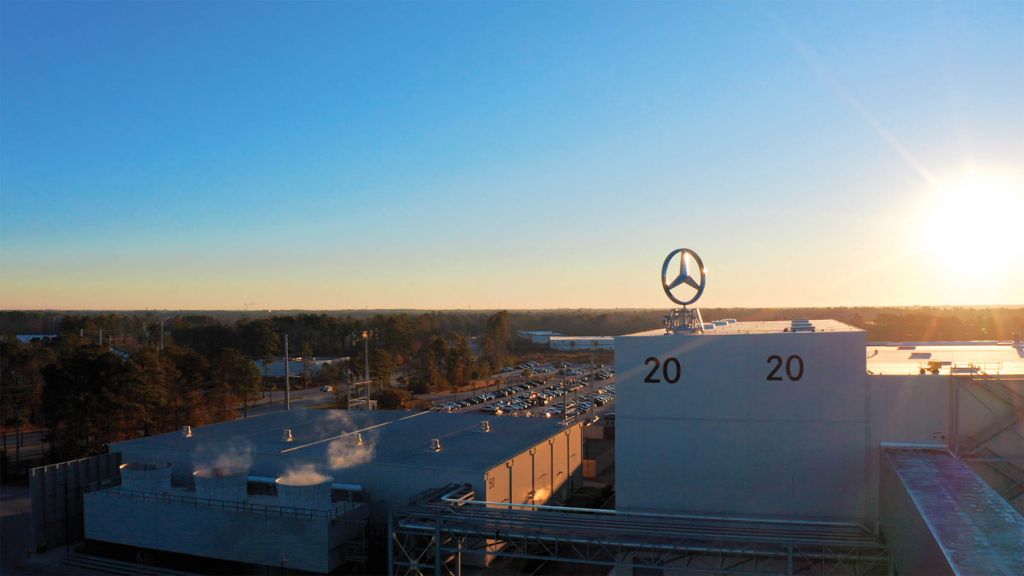
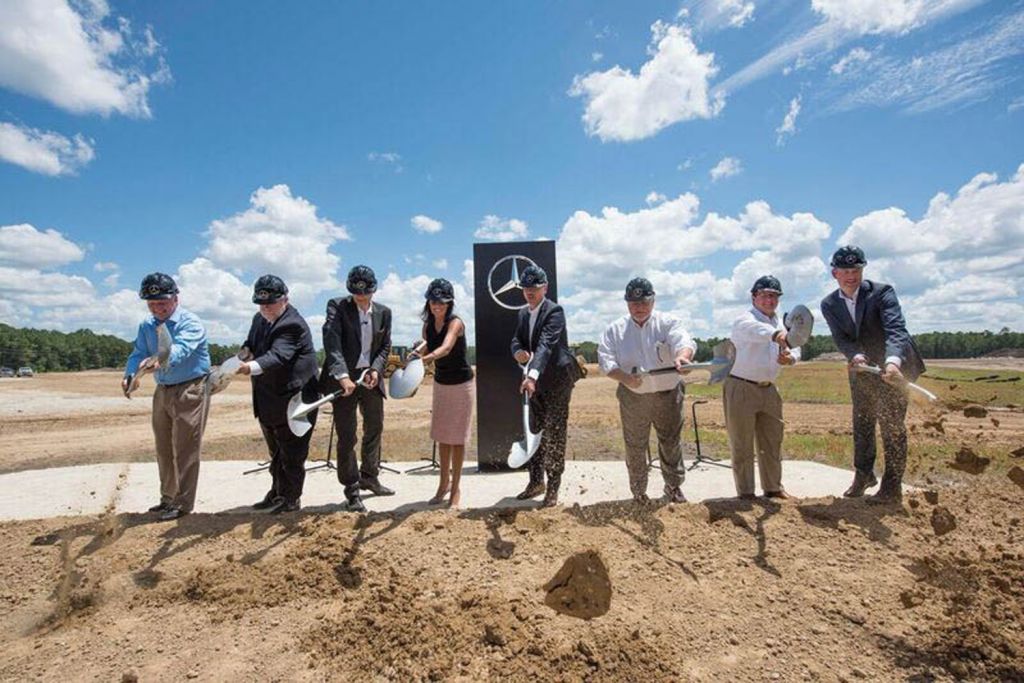
In 2015, Mercedes-Benz, which had had a presence in Charleston since 2006 assembling its popular Sprinter vans from foreign-made components, or “kits,” converted into a full-fledged production facility. That same year, Volvo broke ground on a 2.3 million-square-foot plant in Berkeley County to produce standard sedans—and later electric and hybrid cars—for its North American market. Called OEMs (Original Equipment Manufacturers), the mega plants are the pinnacle of the industrial recruiting universe. Metro Charleston had become a manufacturing behemoth. “Those are the big fish,” Dykes says. “You can go your whole career and not have one of those. We have three.”


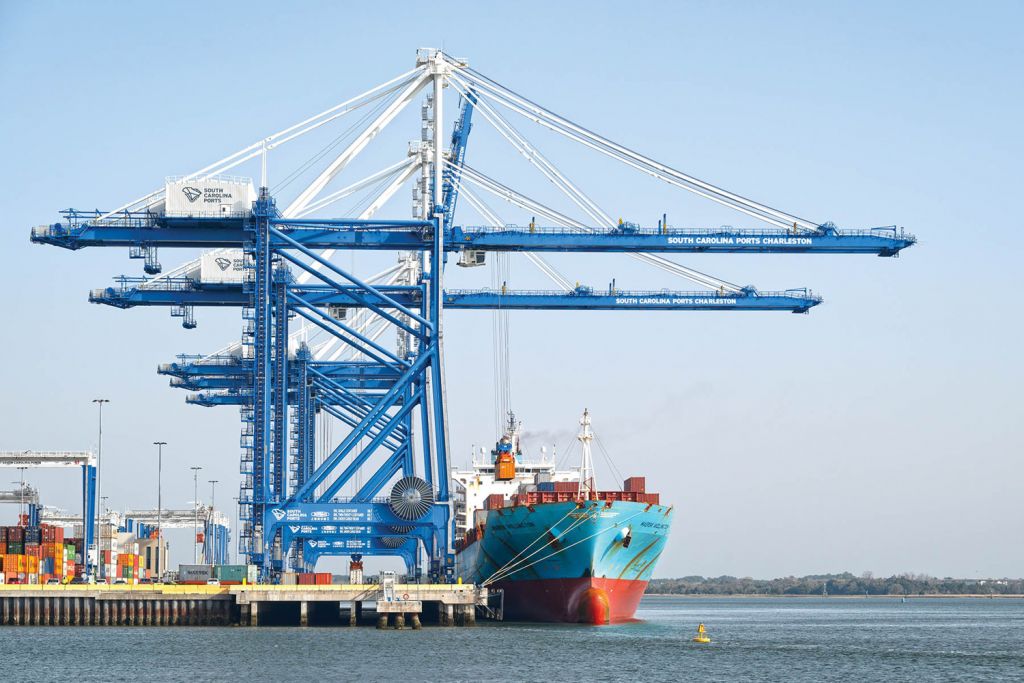
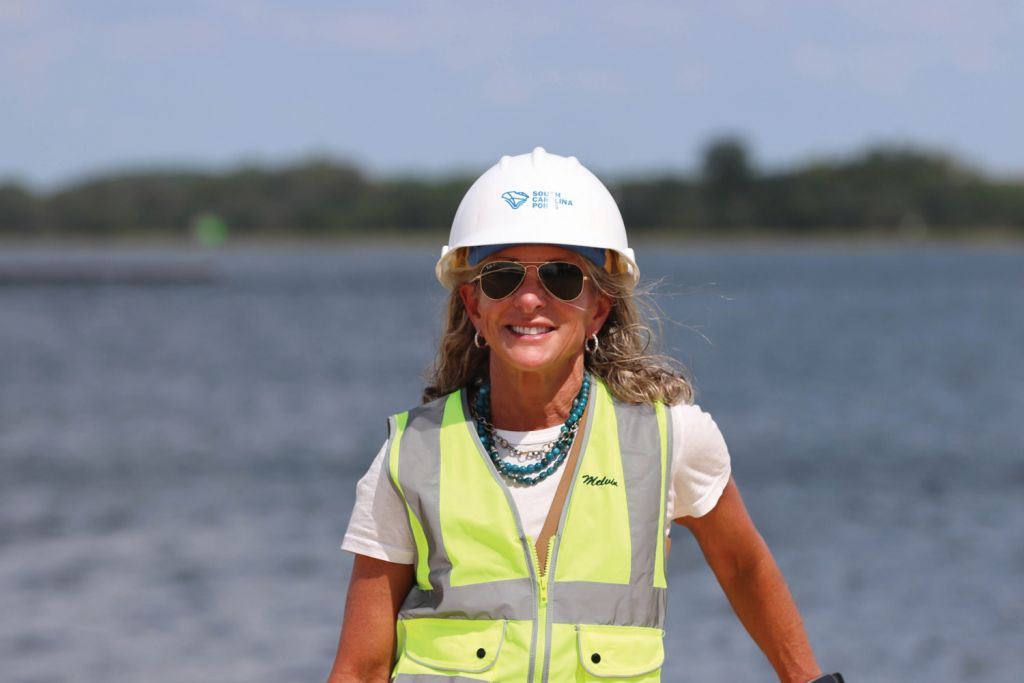
Charleston has always been indelibly linked to the water since its founding in 1670. It boasts the largest deepwater port on America’s East Coast, and shipping has been the lifeblood of the city for more than three centuries. “Charleston will always have a maritime economy,” says Barbara Melvin, who was named president and CEO of SC Ports in 2022 after serving the port in various capacities since 1998. “The future is building on the past.”
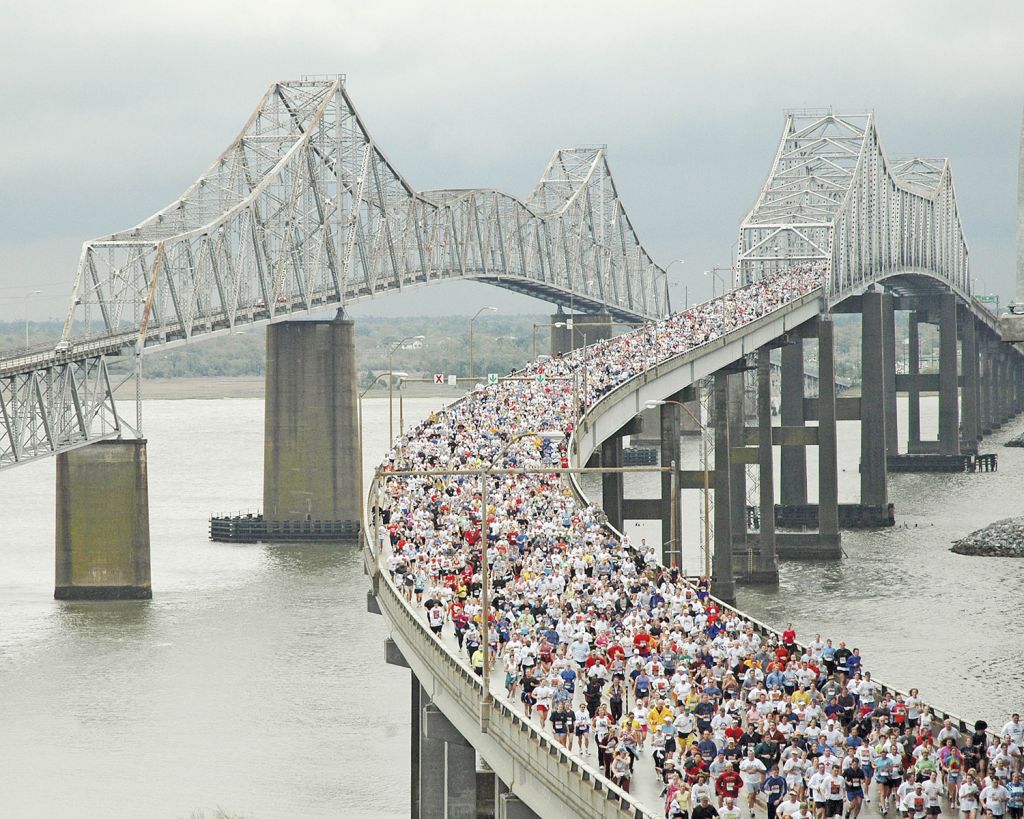
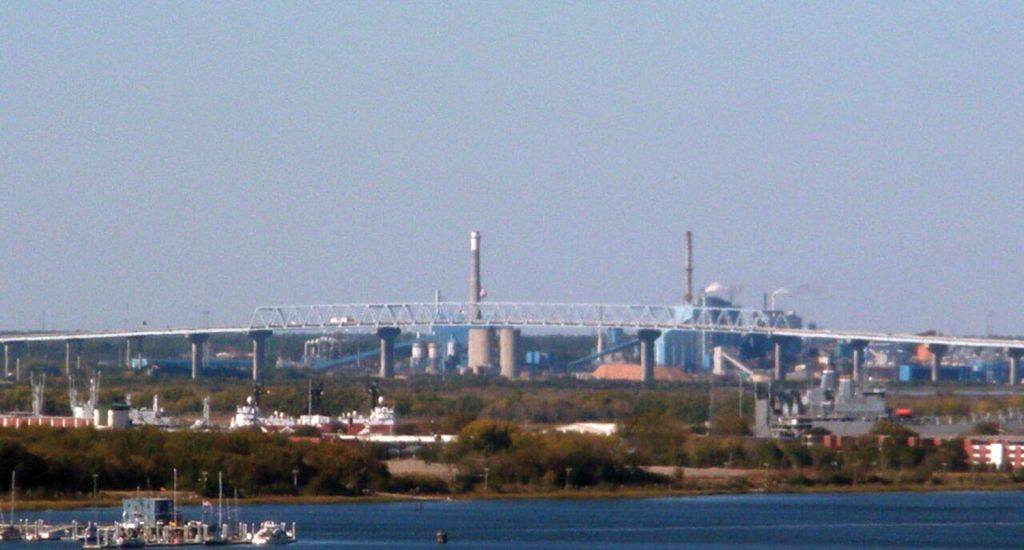
With South Carolina’s remarkable strides in manufacturing—generally autos from the Upstate, tires from the Midlands, and now aeronautics in the Lowcountry—coupled with the growing Southeast’s appetite for imported retail goods, the port has become more vital than ever. In the past decade, to remain globally competitive, the port has embarked on a dramatic expansion to handle the new Panamax freighters, the largest ships designed to pass through the Panama Canal. The Arthur Ravenel Jr. Bridge, which opened 2005, was the first step in that conversion. Then, in 2021, phase one of the new Hugh Leatherman Terminal opened on Daniel Island, and in 2022, a 20-year dredging project was completed that deepened Charleston’s harbor to 52 feet to accommodate the massive new ships.
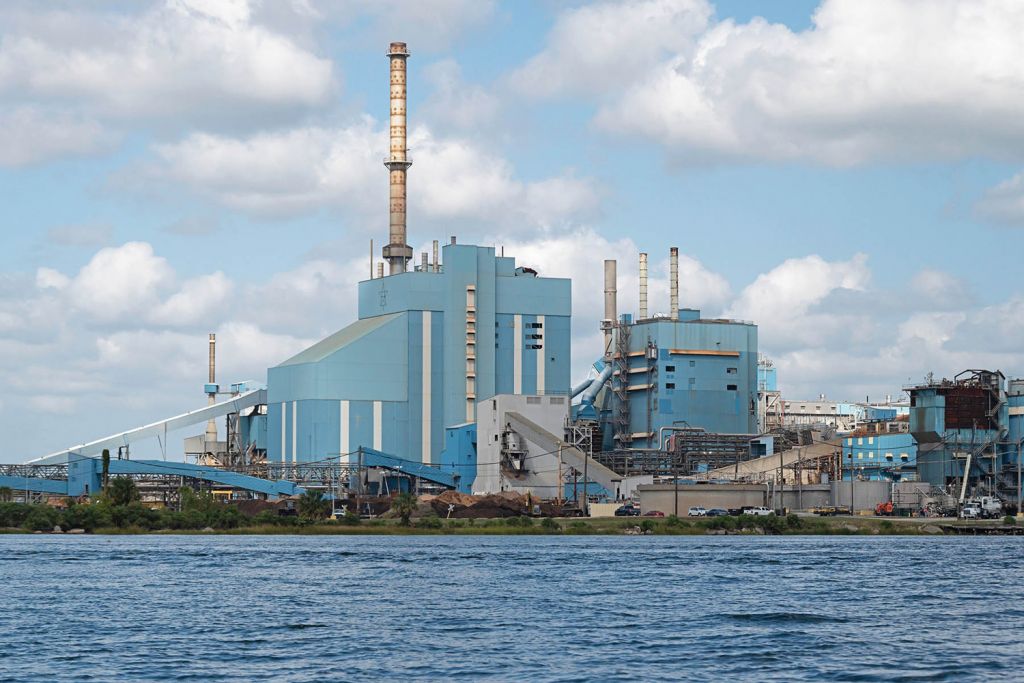
Last year, the port announced the acquisition of the WestRock paper mill on the Cooper River. The 280-acre campus will allow the port, currently ranked eighth largest in the United States, to expand both its North Charleston terminal and rail capacity. With the other improvements, the port hopes to handle 10 million containers annually by 2050, up from 2.5 million today, significantly raising its national profile. “It’s our job to grow,” Melvin says.
But the future will also be defined by high tech. In 2001, the city created the Charleston Digital Corridor to grow and attract high-tech companies. Two decades later, it opened the Charleston Tech Center, a six-story office building on Morrison Drive that hosts a business incubator, coworking spaces, educational facilities, and networking opportunities. The goal is to attract the higher paying jobs the tech sector brings and further diversify the economy.
Today, high-tech firms employ more than 14,000 technical workers, such as developers and programmers, who earn on average $120,000 a year—double the area’s median salary. The companies span varied fields, such as QuickSort RX in pharmaceutical purchasing, Case Status in legal support, and acuCyber in digital security. That diversity “is very healthy for our high-tech industry,” says Ernest Andrade, the digital corridor’s founder and executive director. “We’re not just a one-trick pony.”


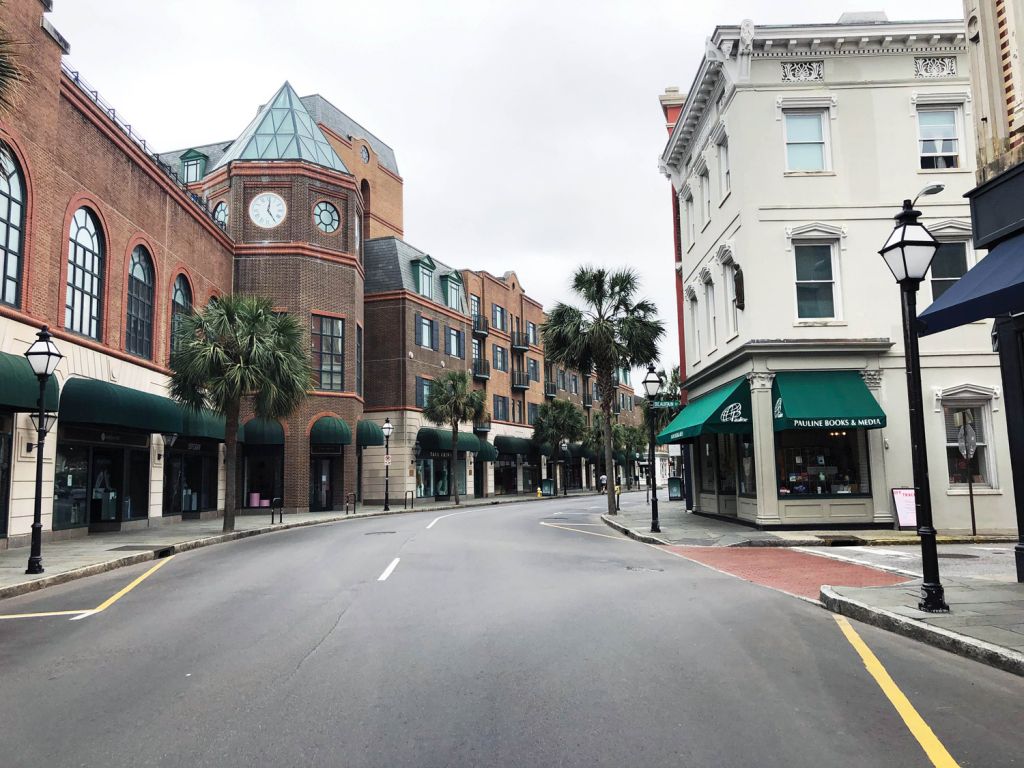


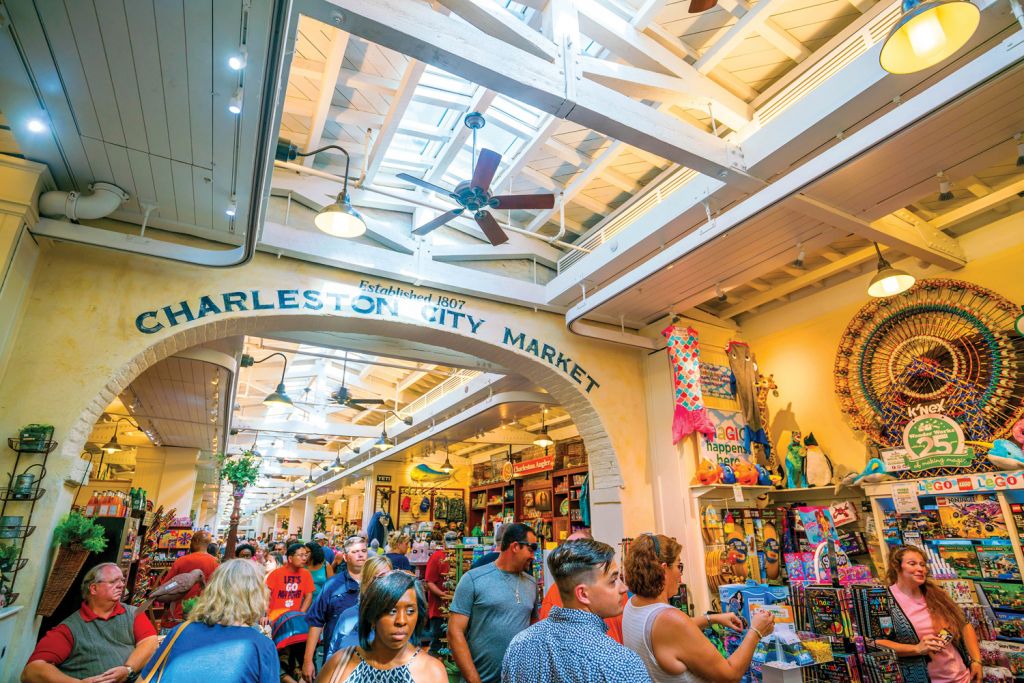
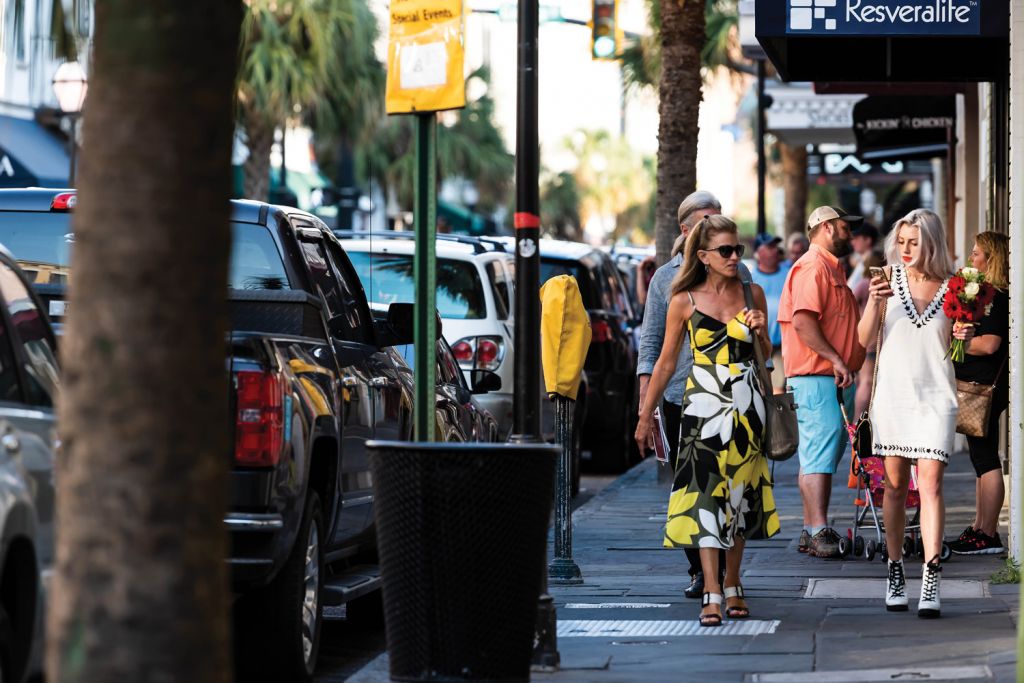
Charleston is enjoying an unexpected renaissance, 50 years in the making. Tourism is now a $14-billion industry, drawing about eight million visitors a year to its cobblestone streets and historic waterfront. The city has retained its national No. 1 ranking as a destination for a dozen years. Ticket sales for Spoleto topped $3.3 million in 2024, the most since 2017, according to a Post & Courier report. And new attractions like the International African American Museum add to the city’s cultural base.
The military is the area’s largest public employer, with nearly 25,000 jobs, a number that will grow with the completion of a new 64-acre Coast Guard “mega base” on the Cooper River that will host 10 cutters, including the service’s largest. And manufacturing continues to blossom, highlighted by Boeing’s planned $1-billion expansion.
Downtown’s renewal continues and is spreading to emerging areas like North Charleston’s Park Circle. The redevelopment of the old Charleston Naval Base and ambitious plans to reclaim Union Pier promise to accelerate that momentum. The population of metro Charleston has reached 870,000, with another 16,000 or so people expected to move here this year. The median home price in Charleston County is nearing $650,000.
With that growth comes the reality that many residents, such as service industry employees, factory workers, teachers, and nurses, are being priced out of the market, particularly on the peninsula. College of Charleston economist Hefner termed the trend “inevitable,” as higher-paid, young professionals are willing to shell out high rents and longtime residents cash in on the skyrocketing property values. “You’ve got a limited housing supply and a large demand. So how do you really stop it?” he asks.
Bennett says he is amazed by the growth of the metro area, which now stretches from Folly Beach to Nexton. “The middle of town used to be Broad Street, now it’s I-526,” notes the hotelier. The kid who used to rent bikes to tourists and renovated his first house with his own hands now owns a catalog of hotels, apartments, office buildings, shopping centers, and restaurants stretching from Florida to Montana. His newest project is a planned 15-year, $300-million redevelopment of Patriot’s Point. “I don’t think we’ll see another jump like we did from 1975 to now,” Bennett says. “But it’s still the most charming and beautiful town in the country. It’s a pretty special place.”