


 +8
 +6
Blink in Charleston these days, and you might miss a moving truck trundling down a once-familiar street, delivering another family—and their well-insured possessions—to the Holy City. Of course, arranging furniture in a handsome new house is only the beginning. Truly settling into Charleston requires another kind of unpacking: learning the customs, rhythms, and quiet courtesies that have long defined this place.
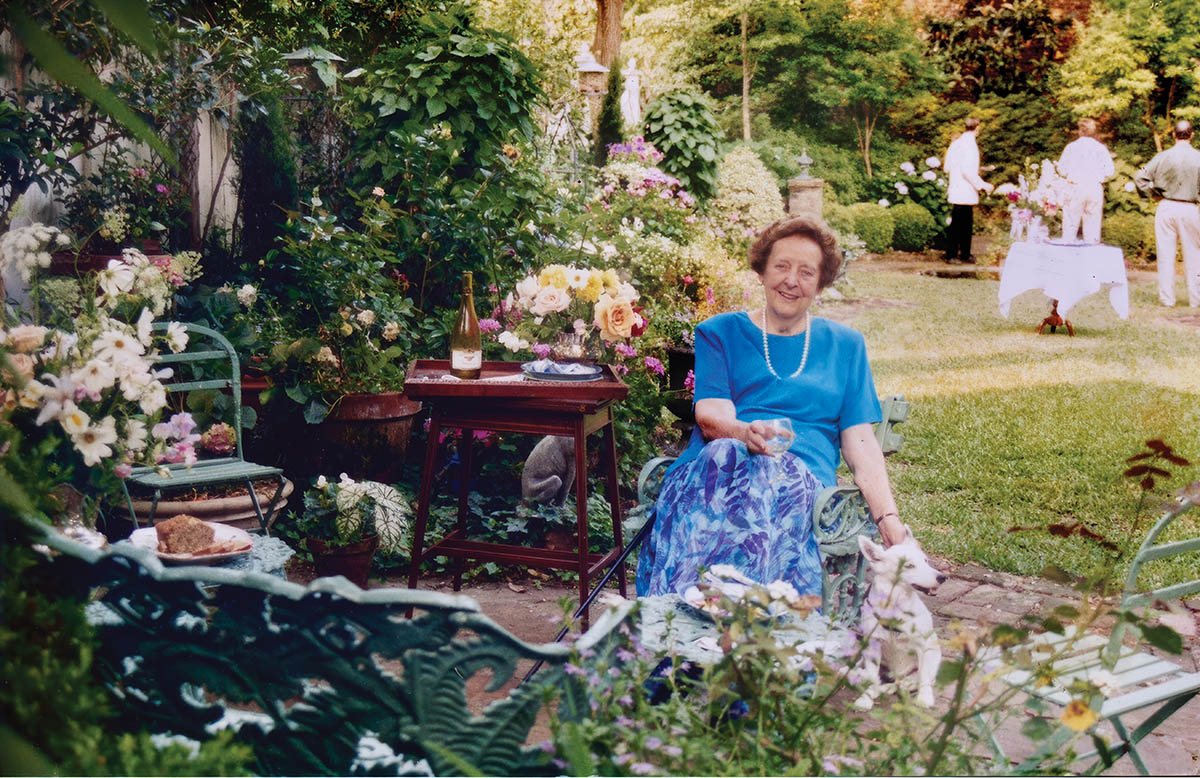
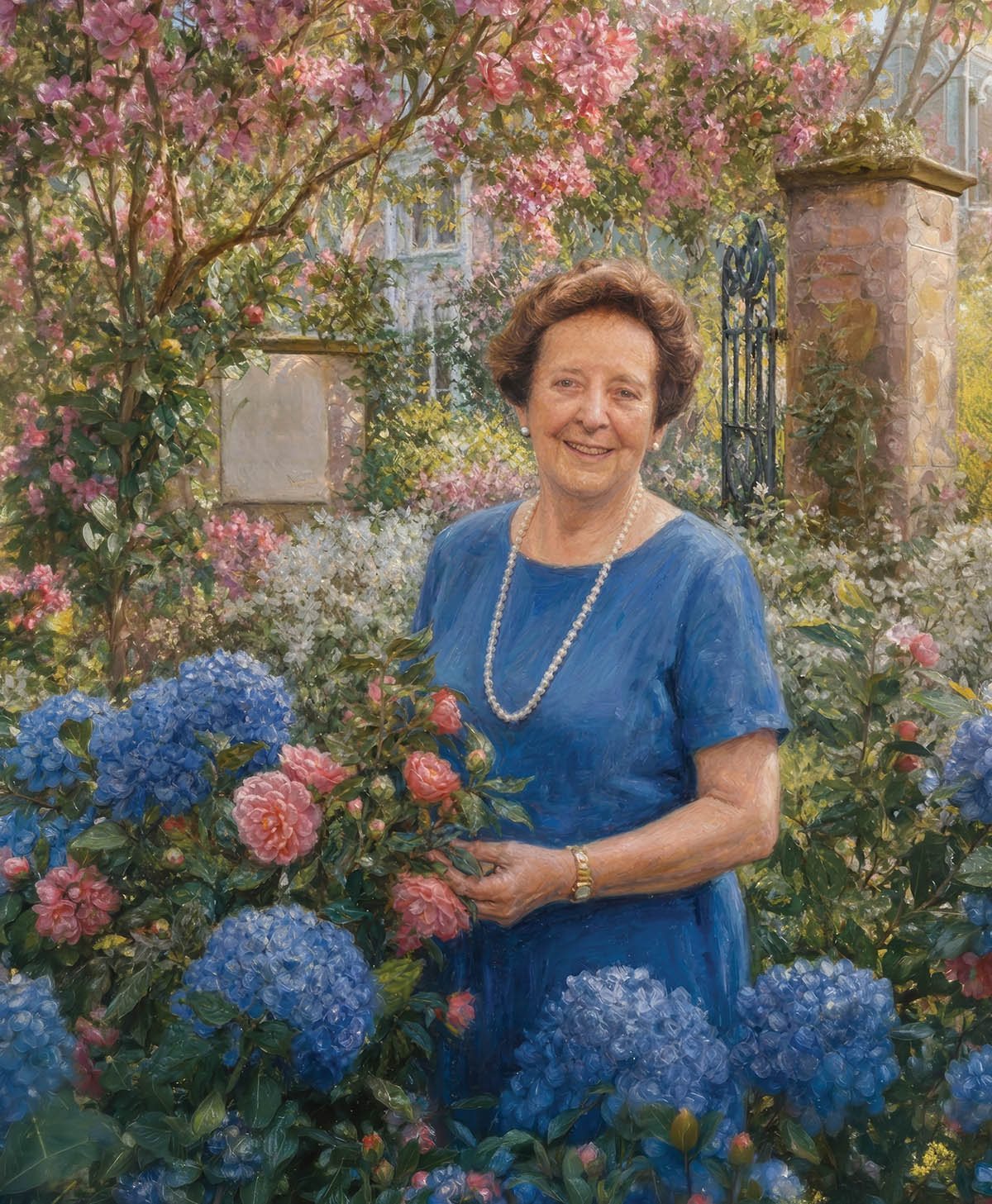
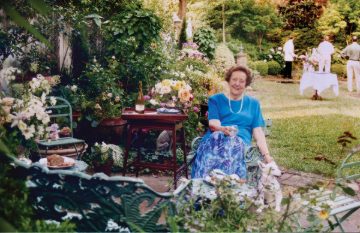
For guidance on navigating this distinctive culture, newcomers might consider entering through the garden gate. It was, after all, in a wondrous, blossoming sliver on Church Street that a woman by the name of Emily Whaley set the standard for Charleston’s hallmark hospitality.
With celebrated landscape architect Loutrel Briggs providing the bones of the design and trusted gardener Junior “Cuffy” Robinson helping tend it, Mrs. Whaley cultivated one of the city’s most cherished gardens. Then she did something characteristically Charleston: she shared it, hanging a sign that ushered in friends and passersby alike.
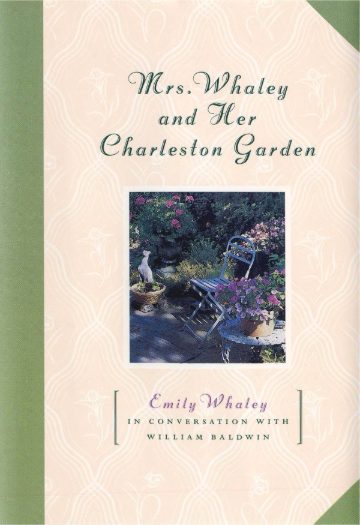
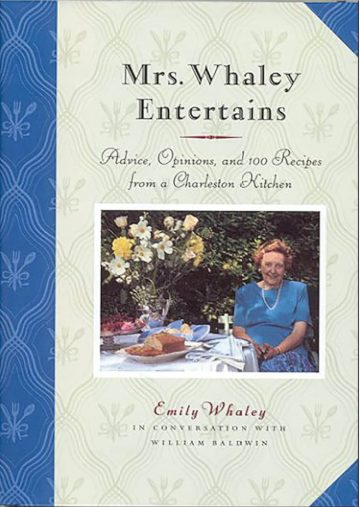
For decades, the beloved botanical enthusiast and her garden became synonymous with Charleston’s allure, and her perennially open gate its convivial spirit. Her witty observations on gardens, entertaining, and gracious living were later preserved in two books, Mrs. Whaley and Her Charleston Garden (Algonquin, 1997) and Mrs. Whaley Entertains (published by Algonquin in 1998, the year of her death at 87). Based on conversations with writer William Baldwin, those slim compendiums of everyday wisdom may matter today more than ever.
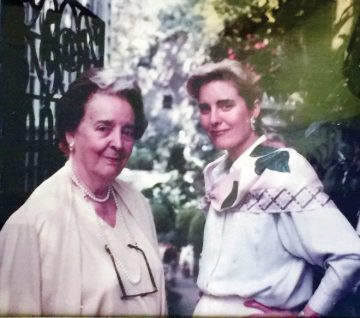
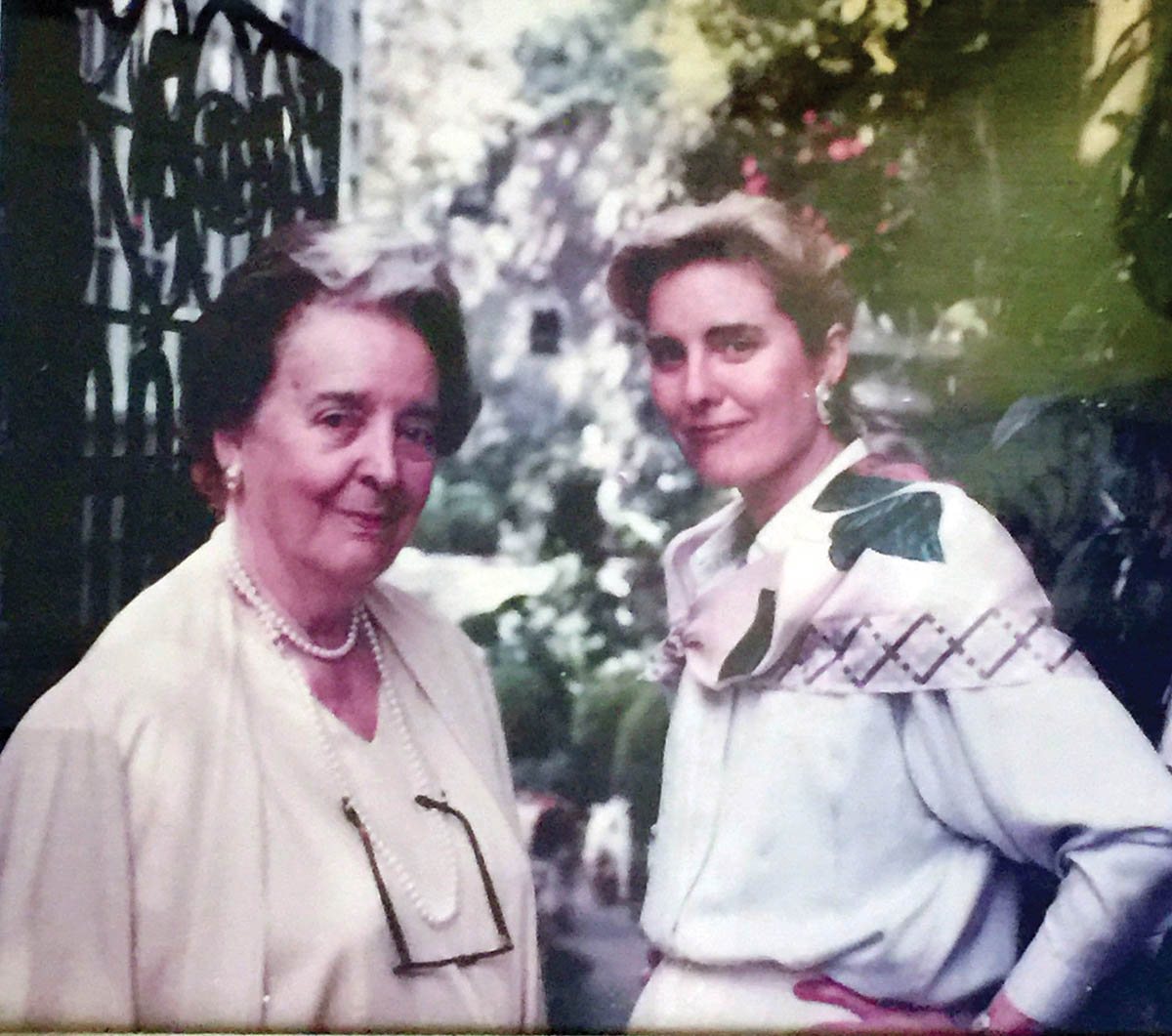
Her daughter, artist Marty Whaley Adams Cornwell, remembers her mother entertaining in the garden, beguiling company with little more than a simple basket brimming with cross-stitched napkins, dainty sandwiches, and fruit. “Her theory was that the more money you have in something, the less charm you’re going to have,” she notes. “And that’s what I want to emulate also.”
As Charleston welcomes thousands of new residents each year, Mrs. Whaley’s sage advice makes a useful primer—not only for newcomers but also for longtime residents who occasionally need reminding—on how to cultivate both a garden and a gracious life.

Consider the Climate
Every good gardener knows better than to fight nature, and Mrs. Whaley understood Charleston’s subtropical climate instinctively. Peonies and rhododendrons may delight elsewhere, but they won’t thrive here like camellias, azaleas, and crape myrtles.
The same principle applies to settling into Charleston. Before digging in, take the time to learn the lay of the land. Discover why preservation matters. Learn why Carolina Day still draws devoted crowds each June. Understand why people care so deeply about old houses, old trees, and old stories.
As for meeting people, friendliness and curiosity are always welcome. Mrs. Whaley famously never met a stranger, greeting everyone with genuine interest that often parlayed into lifelong friendships. Her gift of gab helped, too. “She was a wonderful raconteur,” Marty recalls.
Educate yourself on local history and customs and ask thoughtful questions, and you’ll likely be met with an enthusiastic, knowledgeable response. Understand equally the sensitivities and the points of pride, and you’ll foster optimal conditions for blossoming friendships.
Practice Restraint
Like a well-designed landscape, Charleston generally favors restraint over excess. “Remember!” Mrs. Whaley wrote, “There’s such a thing as too many dancing girls!” She was talking about landscape design, but the advice travels remarkably well. Even when the intention is to share your glorious bounty of personality, opt for a judicious edit of your many blessings, so as not to overwhelm senses or sensibilities.
When a local admires your earrings, a sincere “thank you” will suffice. There’s no need to expand on purchase price, appraisal value, and gemstone provenance. Likewise, when asked about your new home, resist the temptation to mention how many properties you own elsewhere.
Mrs. Whaley embodied this “less is more” philosophy. Adams remembers her mother making the family’s clothes, laying patterns on the dining room table and weighting them with sterling silver knives. On a trip to Paris, the no-fuss, no-muss matriarch toured the City of Light in her signature white Keds. Personal style, she understood, has very little to do with showing off.
Borrow From Your Neighbors
“Be ruthless,” Mrs. Whaley advised. “If your neighbor has something pretty, borrow it from him.” She wasn’t encouraging theft; she was talking about scenery—the art of allowing a neighboring oak tree or church steeple to add to your own landscape.
That applies to settling into Charleston, too. Borrow its traditions, like friendly nods or greetings to those you pass and sending handwritten thank-you notes or thoughtful cards for any reason that inspires you. Delight in the city’s many treasures, and Charlestonians will feel your love and may very well return it one day.
Don’t Air Your Dirty Trowels
One of Briggs’s important lessons was that every garden needs places to hide the necessary but unattractive parts of maintenance. The same could be applied to life’s less attractive debris. In short, spare the overshare. Some thoughts are better shared with a trusted friend than broadcast across a luncheon table. Remember: though Charleston has grown like an all-consuming fig vine, gossip still moves from the ladies’ room to the Carolina Yacht Club back bar with remarkable speed.
Celebrate Simplicity
Today, Adams carries her mother’s entertaining ethos into her own North Carolina mountain home. “The more perfect it is, the less charm it has,” she says. The people, after all, are the party, and the aim is to forge connections, not erect off-putting barriers.
Mrs. Whaley never believed hospitality required extravagance. A basket of finger sandwiches, hand-embroidered linens, and flowers clipped from the garden offered more warmth than the grandest catered affair. What’s more, Mrs. Whaley would caution that putting on the dog can backfire. “Don’t make things so fancy that people feel they’ve got to offer the same back to you,” Adams says. That’s hospitality at its best: making guests feel comfortable rather than impressed.
Cultivate Joy
For all the pruning, weeding, and fussing, Mrs. Whaley always knew the real purpose of a garden—creating a charmed space that brought boundless joy to her family, her friends, and so many visitors from all over the world. The same held true for her cultivation of new friendships, Adams says. “You knew she liked you instantly. She did not look down her nose at anyone.”
Perhaps that’s the real answer to the question: What would Mrs. Whaley do? She probably wouldn’t spend much time worrying about who was born here and who arrived yesterday. She would welcome people through the garden gate, offer them an iced tea, tell them a story, and trust that the city itself would do the rest.
Charleston, like any great garden, has always changed with the seasons: new plants arrive, old trees endure, the soil evolves. But graciousness—the habit of making people feel seen, welcomed, and at ease—never goes out of style. Fitting into Charleston isn’t about acquiring the right address, joining a specific club, or mastering the pronunciation of Huger Street; it’s about cultivating the kind of generosity that Mrs. Whaley practiced every day, one open garden gate at a time.
Visit Mrs. Whaley’s garden with her daughter Marty: