


 +3
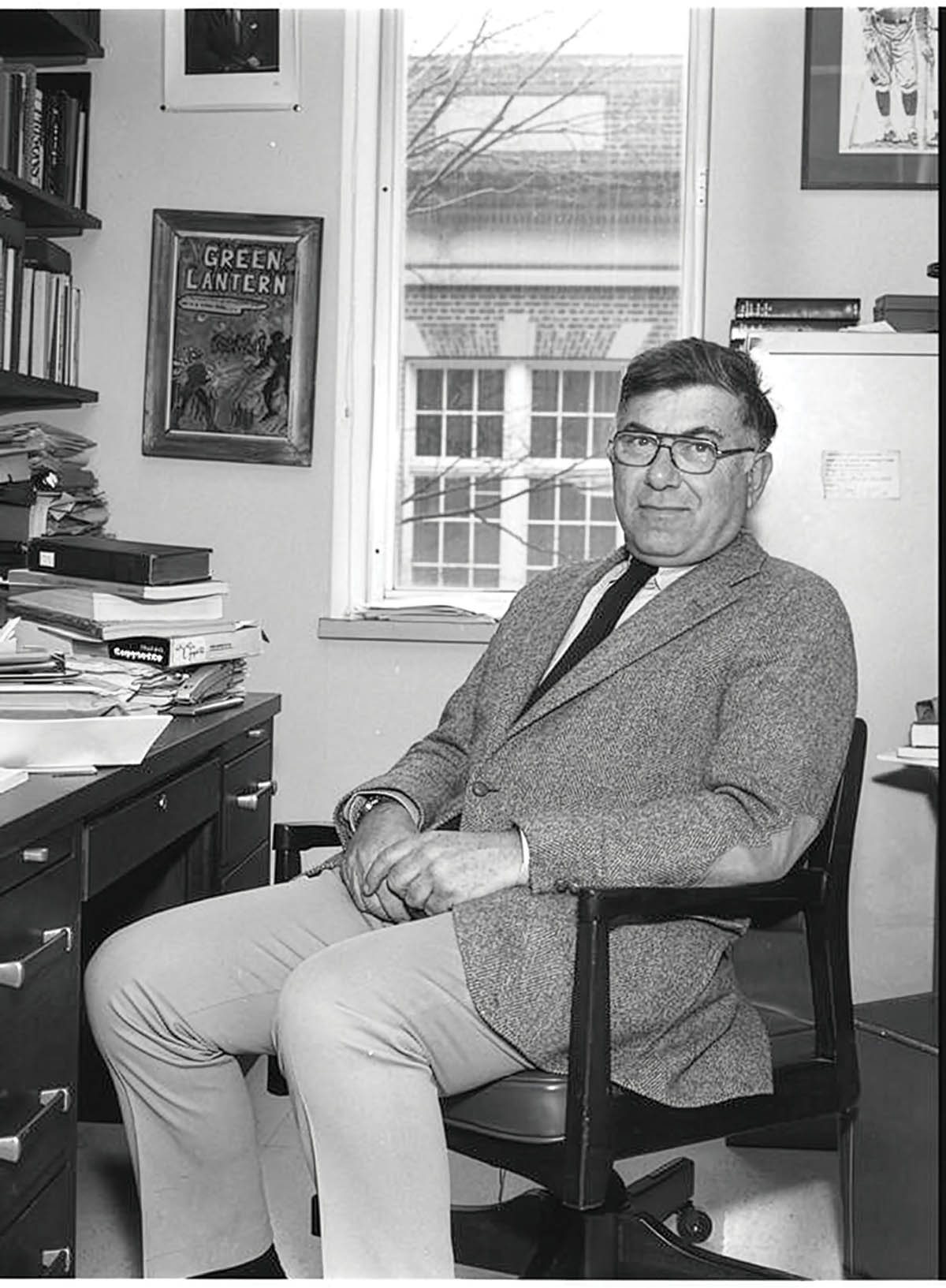
November now reigns as literary month in the Lowcountry, with Yallfest and the Charleston Literary Festival celebrating books and authors. So it’s fitting to remember one of the city’s—and country’s—most influential literary figures: Louis D. Rubin Jr., born November 19, 1923.
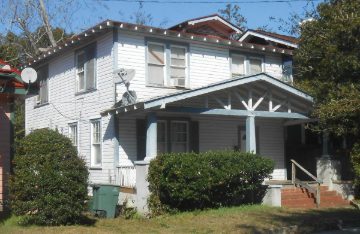
The Charleston native grew up in a house near Allan Park off Ashley Avenue and attended the College of Charleston for two years before being drafted during World War II. Afterward, he worked as a journalist in Charleston, Virginia, and New Jersey, later earning his PhD at Johns Hopkins University in 1954. A writer, Rubin would publish three novels, as well as memoirs and other works drawing on his hometown, covering subjects like boating, baseball, trains, and the Jewish history of his native city.
But his greatest legacy was nurturing and championing other voices. As a professor at Hollins College (now University), in Roanoke, Virginia, Rubin taught future literary stars, including Lee Smith, Elizabeth Forsythe Hailey, and Annie Dillard. In 1967, he began teaching at the University of North Carolina at Chapel Hill, influencing the next generation of Southern writers, including Jill McCorkle and Kaye Gibbons, as well as scholars Joseph M. Flora and Fred Hobson. Through more than 20 books as an author, co-author, critic, and editor, Rubin was a major force in codifying the canon of Southern literature and establishing its importance. In fact, the Virginia Foundation for the Humanities described him as “perhaps the person most responsible for the emergence of Southern literature as a field of scholarly inquiry.”
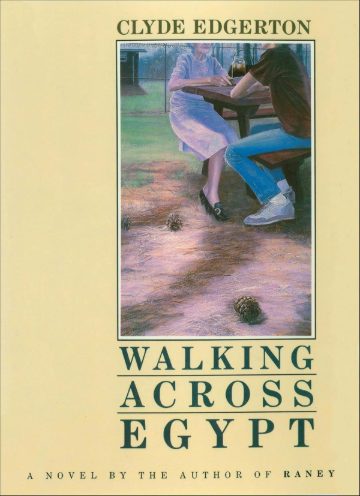
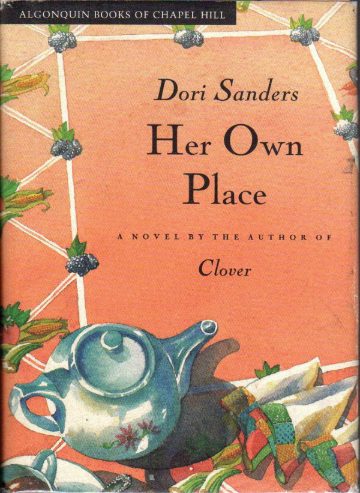
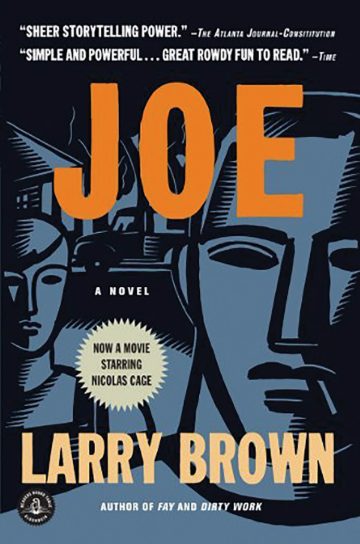
In 1982, he expanded his influence into the book publishing realm. Working from his garage in Chapel Hill, with his former student and fellow Charlestonian Shannon Ravenel, Rubin founded Algonquin Books. The independent press published the works of many of his former students and other literary icons such as Clyde Edgerton, Dori Sanders, and Larry Brown, making him not just a historian of writing, but an architect of its future, too.
The National Book Critics Circle honored Rubin with its lifetime achievement award in 2004. He died in North Carolina on November 16, 2013, just three days shy of his 90th birthday. He is buried at Kahal Kadosh Beth Elohim’s Huguenin Avenue cemetery in Charleston.